Why DIY Removal of Hazardous Materials Is Risky and Costly?
April 29, 2026
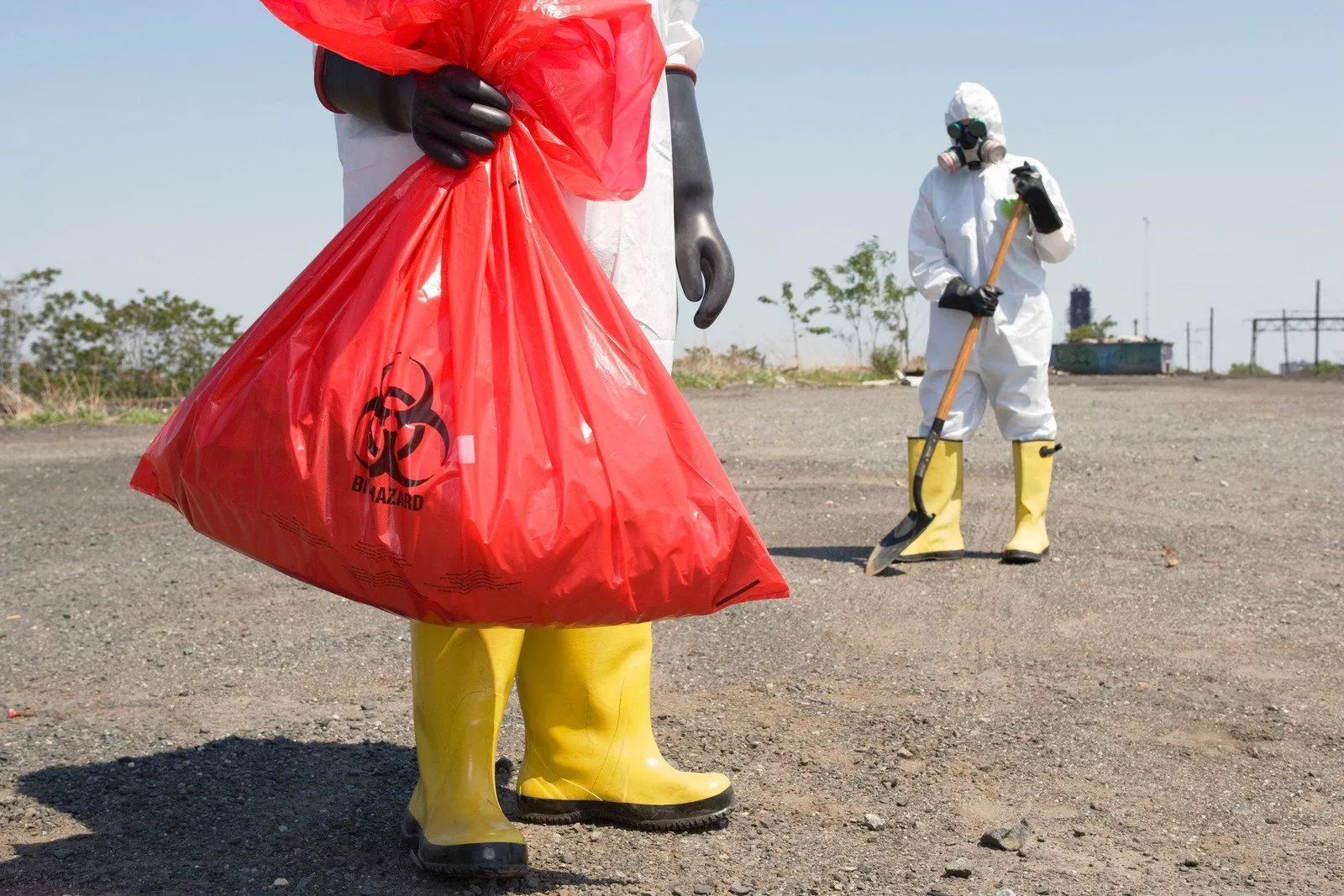
Hazardous materials are present in many residential, commercial, and industrial environments, often hidden within insulation, flooring, paints, roofing, and older building structures. While DIY projects have become increasingly popular for cost-saving and convenience, the removal of hazardous substances is one area where caution is not optional. Improper handling can lead to severe health risks, environmental contamination, and legal consequences that far outweigh any initial savings.
In the environmental safety and remediation industry, strict protocols exist for a reason. Hazardous materials such as asbestos, lead-based compounds, mold infestations, and chemical residues require specialized knowledge, protective equipment, and regulated disposal methods. Without these safeguards, exposure can result in long-term respiratory illnesses, neurological damage, and structural contamination. What may appear as a simple cleanup task can quickly escalate into a complex, high-risk operation.
Understanding the dangers associated with do-it-yourself hazardous material removal is essential for property owners, contractors, and facility managers. The risks extend beyond immediate physical harm and often include hidden financial burdens, regulatory penalties, and extensive remediation requirements. A professional approach ensures safety, compliance, and long-term protection of both occupants and property value, making it a critical consideration in any renovation or demolition project.
Hidden Health Risks of DIY Hazardous Material Removal
Toxic Exposure and Immediate Health Effects
One of the most serious dangers in DIY hazardous material removal is direct exposure to toxic substances. Materials like asbestos fibers, lead dust, and volatile organic compounds can become airborne during disturbance. Once inhaled or ingested, these particles penetrate deep into the respiratory and nervous systems. Immediate effects may include dizziness, skin irritation, coughing, and eye inflammation. However, the more concerning impact often develops silently over time, increasing long-term health risks significantly.
Long-Term Medical Consequences
Chronic exposure to hazardous materials is strongly linked to life-threatening illnesses. Respiratory diseases such as asbestosis, mesothelioma, and chronic obstructive pulmonary disease are commonly associated with improper asbestos handling. Lead exposure can result in irreversible neurological damage, particularly affecting children and pregnant individuals. These conditions often remain undiagnosed until significant damage has already occurred, making early detection difficult and treatment outcomes less effective, resulting in permanent health deterioration over time.
Cross-Contamination in Living Spaces
Improper removal techniques often spread contaminants beyond the intended work area. Dust and fibers can attach to clothing, furniture, HVAC systems, and flooring, leading to widespread contamination throughout the property. This creates an environment where exposure continues long after the initial DIY work has been completed, increasing health risks for all occupants. Secondary contamination becomes harder to detect, requiring extensive cleaning and professional intervention to restore safe indoor environmental conditions.
Regulatory Violations and Legal Consequences
Strict Environmental Compliance Requirements
Hazardous material removal is governed by strict environmental and occupational safety regulations. Agencies such as the Environmental Protection Agency (EPA) and Occupational Safety and Health Administration (OSHA) enforce guidelines that dictate how materials must be handled, contained, and disposed of. DIY efforts often fail to meet these standards, resulting in non-compliance, safety violations, and increased risk of enforcement actions or mandatory corrective procedures imposed by regulatory authorities.
Fines, Penalties, and Liability Risks
Failure to follow regulatory procedures can lead to substantial financial penalties. Improper disposal of hazardous waste, such as dumping contaminated debris in regular waste streams, is considered illegal in many jurisdictions. Property owners may also face liability claims if exposure affects neighbors, tenants, or workers. Legal disputes can escalate quickly, creating long-term financial strain, reputational damage, and potential court-ordered remediation costs that significantly exceed initial project budgets or expectations.
Permit and Documentation Issues
Professional abatement projects require permits, inspection reports, and certified disposal documentation. DIY removal bypasses these requirements, which can create major obstacles when selling or renovating a property. Missing documentation may reduce property value or delay real estate transactions, as buyers and inspectors often require proof of safe remediation. Lack of records also raises concerns about hidden contamination risks, further complicating compliance verification and long-term ownership transfer processes significantly.
Technical Challenges and Equipment Limitations
Lack of Specialized Safety Equipment
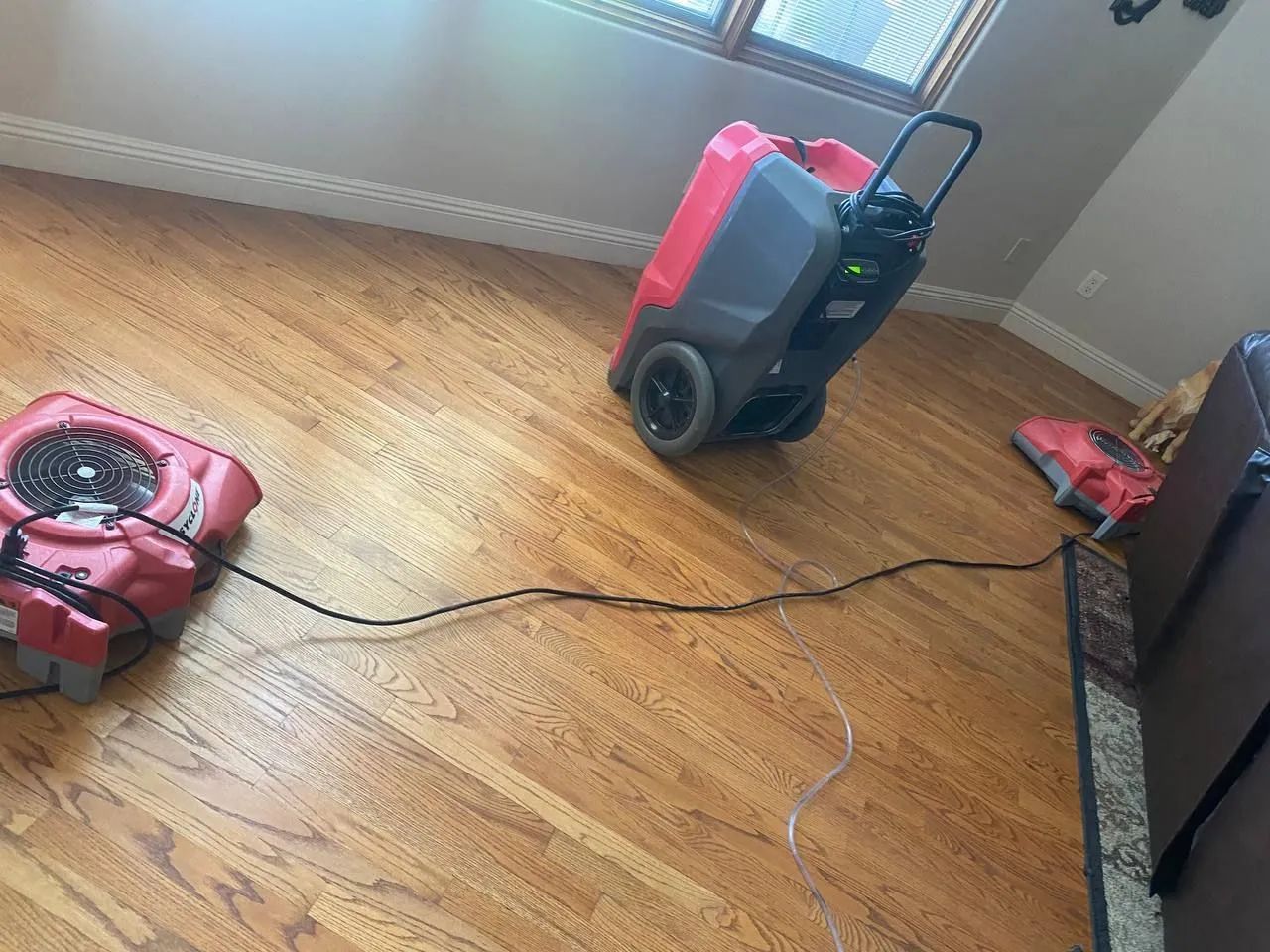
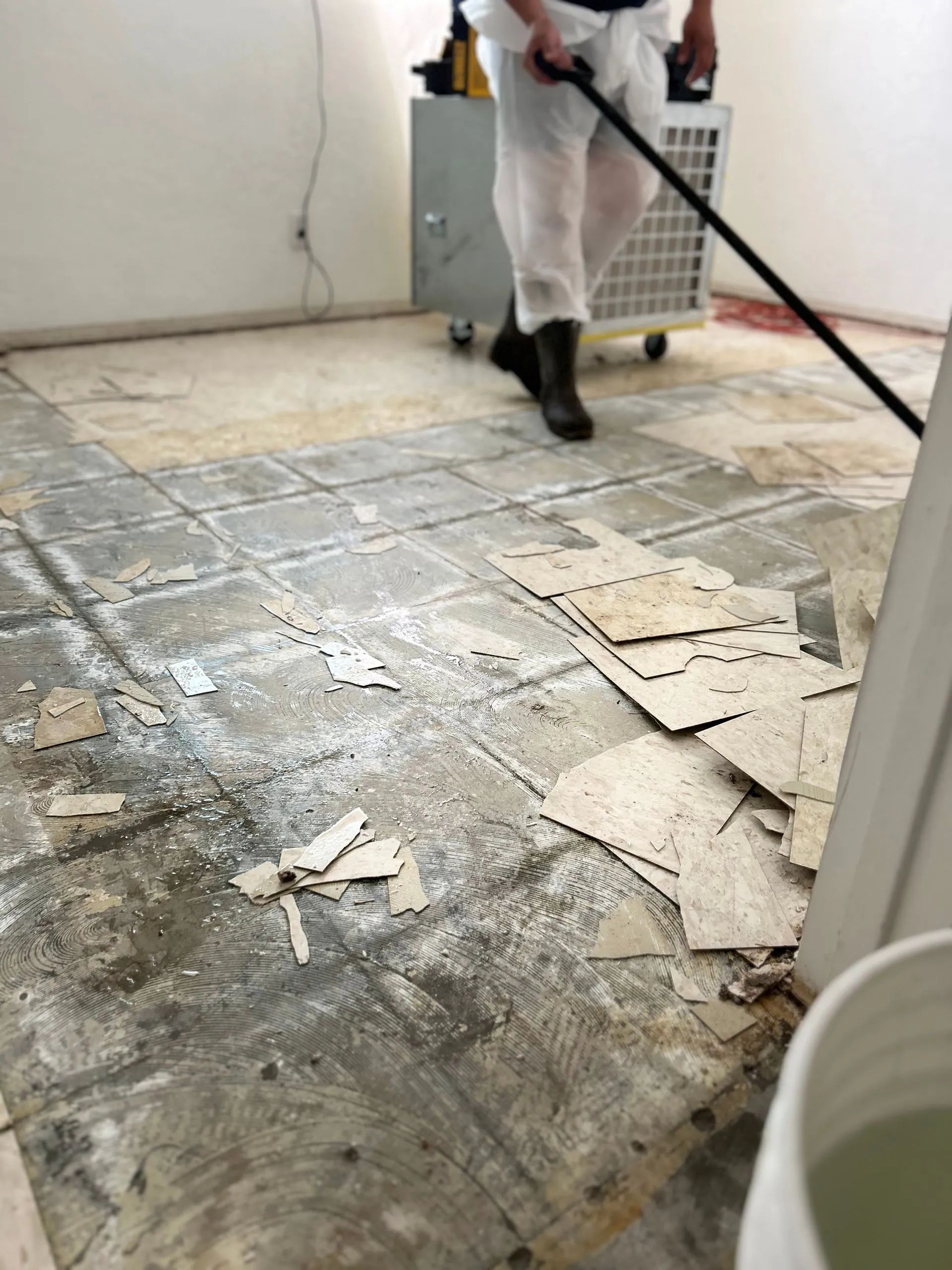
Proper hazardous material removal requires advanced protective gear such as HEPA-filter respirators, sealed containment suits, negative air machines, and industrial-grade filtration systems. Most DIY setups lack this equipment, increasing exposure risk significantly. Basic masks and household tools do not provide adequate protection against microscopic contaminants, allowing particles to enter respiratory systems and spread throughout the work environment, creating unsafe conditions for both workers and surrounding occupants during removal activities.
Improper Containment and Removal Techniques
Safe removal requires precise containment strategies to prevent airborne spread. Negative pressure environments, sealed barriers, and controlled dismantling methods are essential. Without technical knowledge, DIY attempts often disturb materials in a way that releases contaminants uncontrollably into the environment. This uncontrolled release increases contamination zones, complicates cleanup efforts, and significantly raises health risks, often requiring professional intervention to restore controlled conditions and ensure complete decontamination of affected spaces.
Inadequate Waste Handling and Disposal
Hazardous waste must be transported and disposed of at certified facilities. Improper packaging or storage can lead to leaks, contamination during transport, and environmental violations. Professional protocols ensure that waste is labeled, sealed, and tracked throughout the disposal chain, something rarely achieved in DIY efforts. Failure in proper handling increases risk of environmental exposure, regulatory penalties, and secondary contamination incidents that can affect broader surrounding ecosystems and infrastructure systems.
Financial Impact and Long-Term Cost Escalation
Short-Term Savings vs. Long-Term Expenses
DIY hazardous material removal is often initiated to reduce costs, but the financial reality is usually the opposite. Initial savings on labor and equipment are quickly overshadowed by remediation expenses if contamination spreads. Secondary cleanup, air quality testing, and structural decontamination can become significantly more expensive than professional services. These unexpected costs create financial strain and often require additional funding sources, delaying overall project completion and increasing long-term ownership expenses significantly.
Property Devaluation and Market Risks
Improper removal can reduce property value substantially. Real estate buyers and inspectors are highly cautious about environmental hazards. A contaminated property may require certified clearance before sale, and unresolved issues can lead to reduced offers or failed transactions. Marketability decreases significantly when remediation history is unclear, and potential buyers often avoid properties with uncertain safety conditions, resulting in prolonged listing periods and financial loss for property owners.
Insurance Claim Complications
Many insurance providers require proof of professional handling for hazardous material incidents. DIY work may void coverage, leaving property owners responsible for full remediation costs. In some cases, insurers may deny claims entirely if improper handling contributed to the damage. This lack of coverage creates significant financial exposure, especially when contamination spreads beyond initial boundaries, requiring extensive restoration and increasing out-of-pocket expenses for complete property recovery efforts.
Environmental and Community Safety Concerns
Airborne Contamination Beyond Property Boundaries
Hazardous particles do not remain confined to a single structure. Wind movement, ventilation systems, and foot traffic can spread contaminants into surrounding areas. This creates potential health risks for neighboring properties and public spaces, increasing exposure beyond intended zones. Once dispersed, contaminants become difficult to trace and control, requiring broader environmental assessment and remediation efforts to ensure that surrounding communities are not affected by airborne hazardous material migration.
Soil and Water Contamination Risks
Improper disposal of hazardous materials can lead to soil contamination, affecting vegetation and groundwater quality. Chemicals and fibers can persist in the environment for decades, making remediation complex and costly. Environmental damage often triggers regulatory investigations and mandatory cleanup orders. Contaminated soil may also impact agricultural productivity and local ecosystems, creating long-term ecological consequences that require extensive restoration efforts to return affected areas to safe and usable conditions.
Community Health Responsibility
Unsafe DIY practices can contribute to broader public health concerns. Exposure risks extend beyond immediate occupants, potentially affecting maintenance workers, neighbors, and future residents. Responsible handling is essential to maintain safe and sustainable communities. Ignoring proper protocols increases collective risk, placing additional burden on local health systems and environmental agencies tasked with managing contamination impacts and ensuring long-term safety for all individuals within the affected region.
Expert Certified Containment Methods Reducing Exposure Risks
DIY removal of hazardous materials introduces risks that extend far beyond initial expectations. Health complications, regulatory violations, technical failures, financial burdens, and environmental harm all highlight why professional handling is essential. What appears to be a cost-saving decision often evolves into a far more expensive and dangerous situation. Safe remediation requires strict compliance, specialized equipment, and technical expertise that cannot be replicated through general home improvement methods.
Long-term protection of health, property value, and environmental safety depends on informed decision-making and adherence to established safety protocols. Hazardous materials demand controlled handling processes that minimize exposure and ensure complete decontamination. Choosing proper remediation practices safeguards both immediate occupants and the wider community from preventable harm.
NM Abatement LLC, located in Albuquerque, New Mexico, brings over 30
years of focused expertise in asbestos abatement and
hazardous material management. Our experience reflects a deep commitment to safety, regulatory compliance, and precision-driven remediation practices. We approach every project with a strong emphasis on protecting occupants, preserving property integrity, and ensuring environmental responsibility. Through advanced techniques and industry-approved methodologies, we deliver reliable solutions that meet the highest standards of safety and performance.