What to Expect During a Professional Environmental Restoration Project?
March 25, 2026
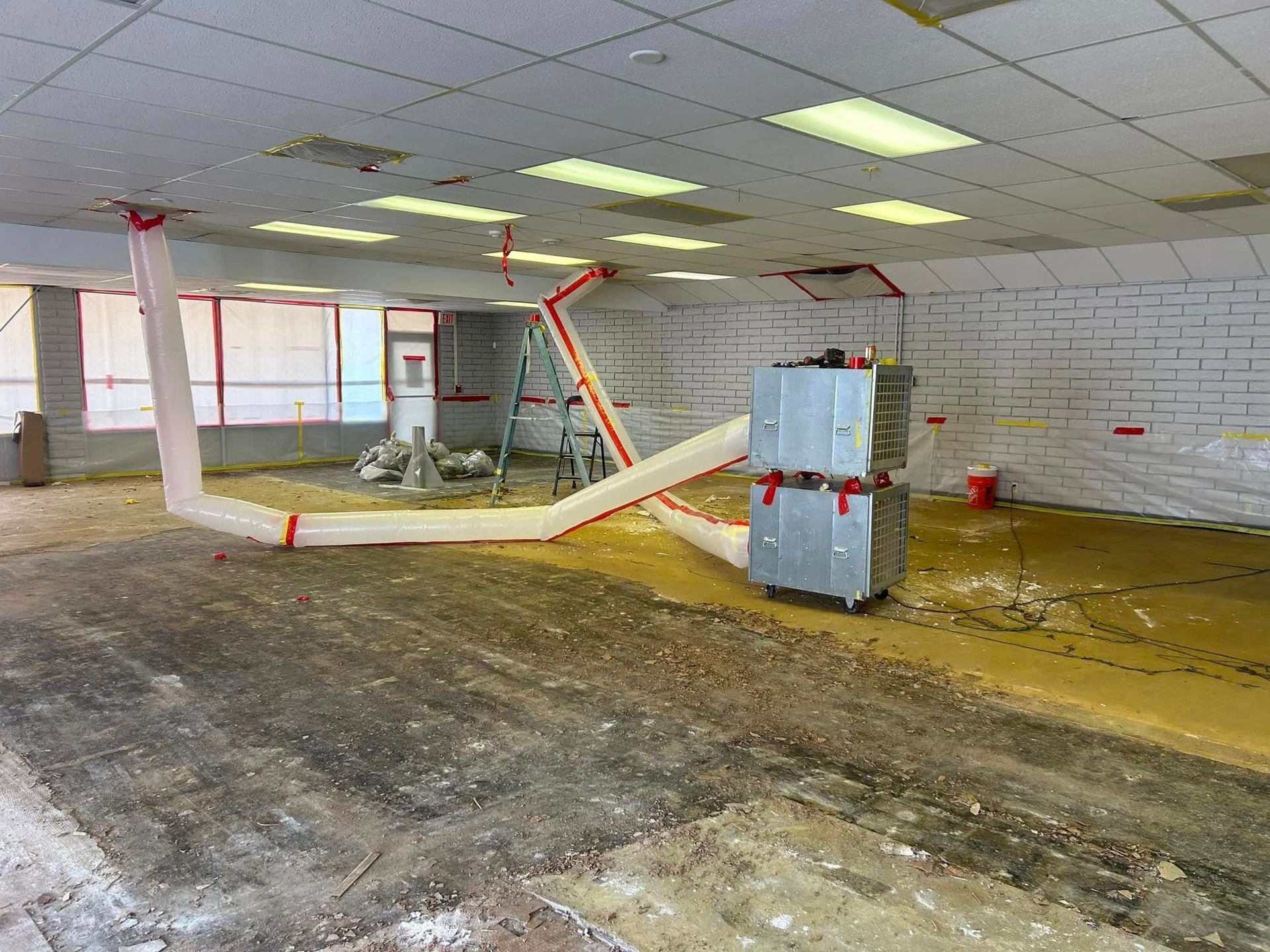
Environmental restoration projects are critical undertakings aimed at returning contaminated or damaged properties to a safe and functional condition. Whether the challenge stems from water damage, mold infestation, fire aftermath, or hazardous materials, professional environmental restoration services ensure that properties are restored efficiently, safely, and in compliance with regulations. Understanding what to expect during such a project can help property owners, managers, and facility operators make informed decisions, reduce stress, and ensure a smooth restoration process.
These projects require a combination of technical expertise, specialized equipment, and careful planning. Professionals must assess the scope of damage, implement effective remediation strategies, and follow stringent safety protocols to protect both people and the environment. Knowing the stages of a restoration project, the techniques employed, and the expected timelines can empower property owners to anticipate challenges and outcomes. From initial assessment to final clearance, every phase is structured to deliver maximum safety, efficiency, and long-term results. This article explores the key components of a professional environmental restoration project, providing actionable insights, practical guidance, and expert reasoning to help you navigate the process confidently.
Initial Assessment and Inspection
Comprehensive Property Evaluation
The first step in any professional environmental restoration project is a thorough assessment of the property. Restoration experts inspect affected areas, identify sources of contamination or damage, and evaluate structural integrity. This stage often includes detailed documentation of visible damage, such as water intrusion, fire residue, or mold growth, along with potential hidden hazards like asbestos, lead, or chemical pollutants.
Risk Identification
Environmental restoration professionals prioritize safety and compliance. During the inspection, they identify potential risks to both the restoration team and occupants. This may involve air quality testing, soil sampling, or surface swab analysis. Accurate risk assessment is crucial for determining the appropriate protective equipment, containment measures, and remediation techniques.
Reporting and Planning
After the inspection, restoration teams compile detailed reports, outlining the extent of damage, contamination levels, and recommended interventions. These reports often include timelines, cost estimates, and regulatory requirements. Clear communication at this stage ensures that property owners understand the scope of work and can make informed decisions before the restoration process begins.
Containment and Safety Measures
Establishing Containment Zones
Once the assessment is complete, professionals implement containment measures to prevent the spread of contaminants. This may involve erecting temporary barriers, sealing vents, and creating negative air pressure zones. Containment is especially critical for hazardous materials, mold, and asbestos, as it protects both the restoration team and the surrounding environment from cross-contamination.
Personal Protective Equipment (PPE)
Environmental restoration teams use specialized PPE, including respirators, gloves, suits, and eye protection. The selection of PPE is based on the specific hazards present, ensuring that workers remain safe while performing intensive remediation tasks. Property occupants may also need temporary relocation to minimize exposure during high-risk phases of the project.
Health and Regulatory Compliance
Professional restoration teams operate under strict regulatory standards, including OSHA, EPA, and local environmental guidelines. Compliance ensures that the restoration process is legally sound, reduces liability, and guarantees safe conditions for both workers and residents. Maintaining these standards from the start creates a foundation of trust and accountability.
Removal of Contaminants
Water and Moisture Mitigation
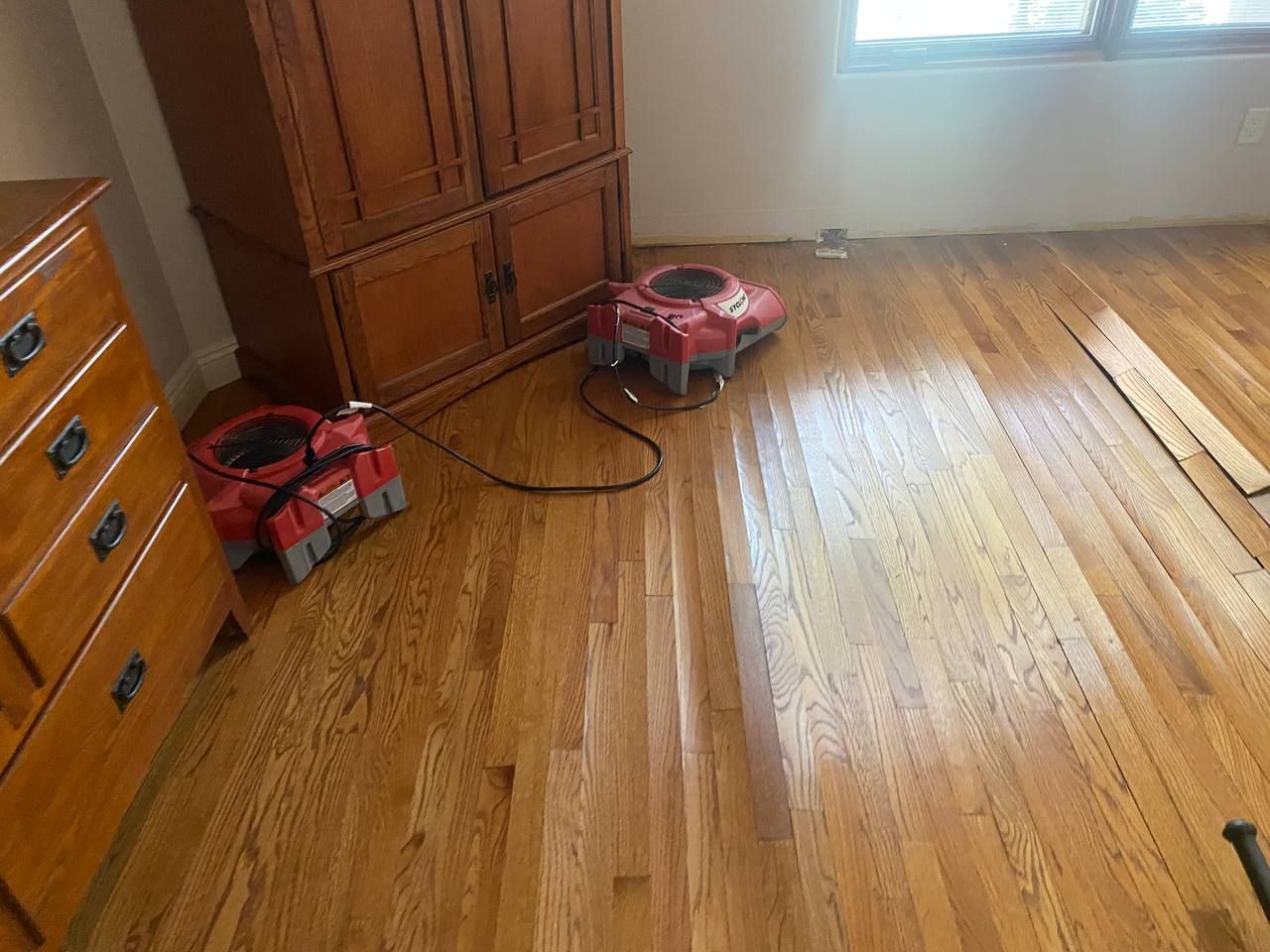
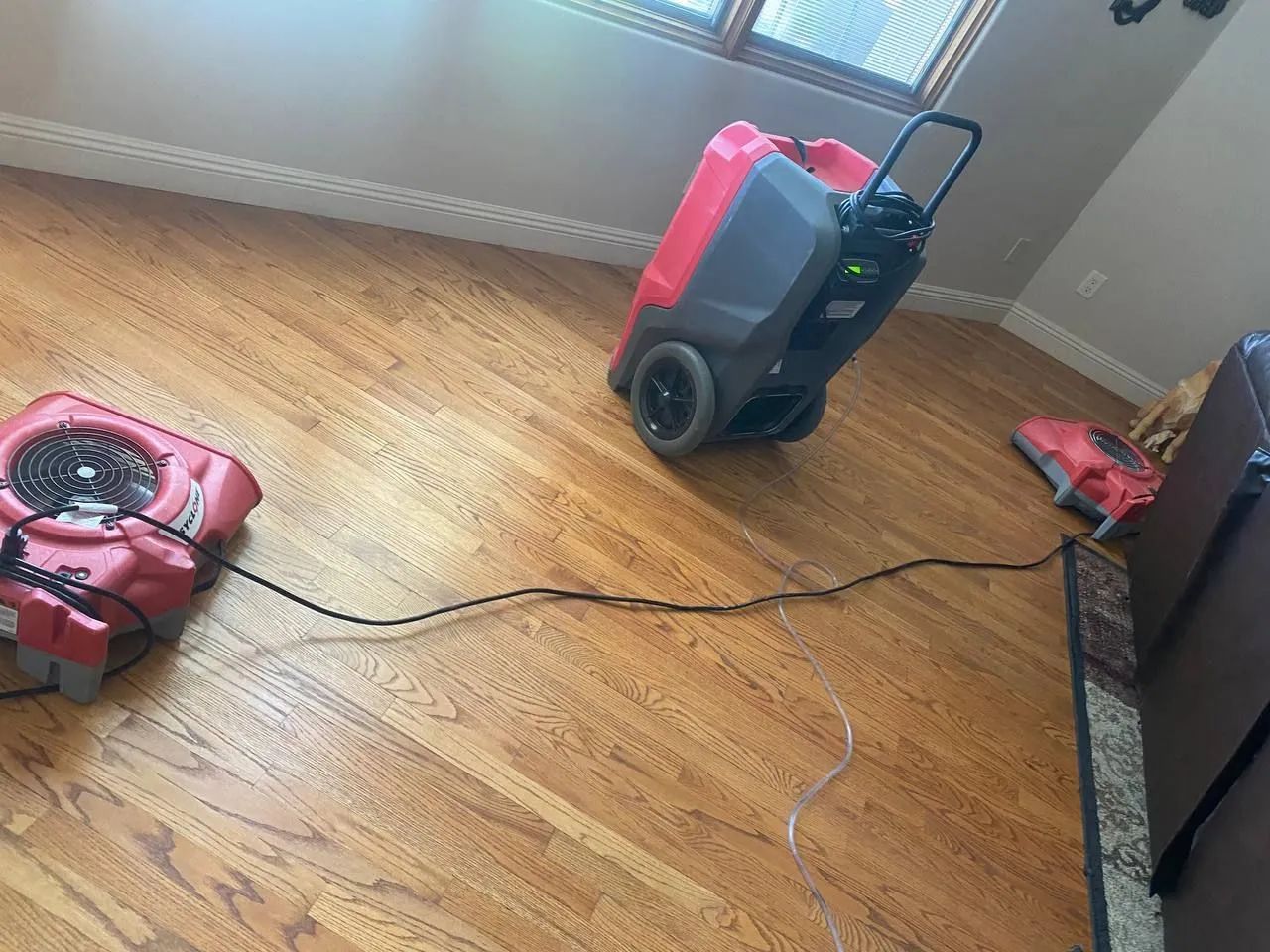
Water damage is a common trigger for environmental restoration projects, often caused by leaks, flooding, or plumbing failures. Professionals use industrial-grade equipment such as high-capacity pumps, dehumidifiers, and moisture sensors to efficiently remove excess water and prevent mold growth. Rapid moisture removal is critical, as prolonged exposure can compromise structural integrity, create secondary damage, and exacerbate contamination risks.
Mold Remediation
Mold poses significant health risks and requires targeted, professional remediation strategies. Restoration teams identify affected areas, carefully remove contaminated materials, and clean surfaces using specialized antimicrobial treatments. HEPA filtration and controlled drying processes help prevent mold spores from spreading to unaffected areas, ensuring a thorough and safe restoration outcome throughout the property.
Hazardous Material Abatement
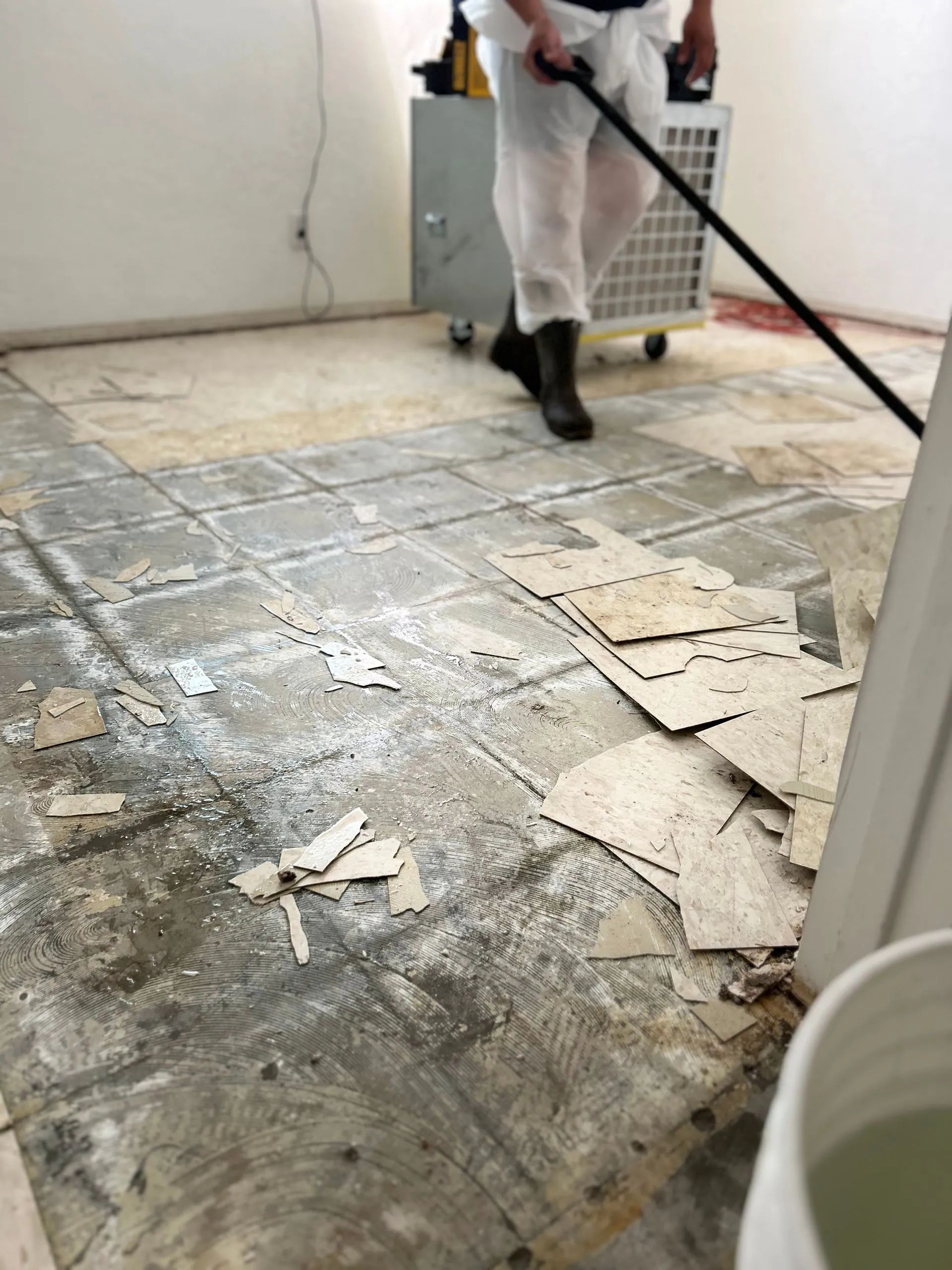
Projects involving hazardous substances, such as asbestos, lead, or chemical spills, demand highly specialized and certified procedures. Technicians carefully remove and safely dispose of contaminated materials while strictly following regulatory standards. This stage often involves encapsulation, neutralization, or controlled demolition depending on the type and severity of contamination. Proper disposal is essential to protect both the environment and human health effectively.
Cleaning and Decontamination
Structural Cleaning
After removal of contaminants, environmental restoration professionals focus on thoroughly cleaning structural surfaces. This includes washing walls, ceilings, floors, and HVAC systems to eliminate residual pollutants completely. Advanced cleaning solutions and techniques, such as antimicrobial fogging and industrial power washing, help restore areas to a safe, habitable, and fully sanitized condition.
Air Quality Restoration
Airborne contaminants can linger even after visible cleanup if proper procedures are not followed. Restoration teams deploy air scrubbers, negative air machines, and HEPA filtration units to remove dust, spores, and chemical particulates from the property. Continuous monitoring ensures that indoor air quality meets strict safety standards before occupants or staff return safely.
Equipment and Surface Sanitization
All equipment used in the restoration process is carefully sanitized to prevent any cross-contamination risks. High-touch surfaces, commonly used areas, and shared tools receive additional attention, especially in projects involving biohazards or infectious contaminants. These measures safeguard human health and help promote a safe, fully restored environment for occupants and staff.
Repairs and Structural Restoration
Assessing Damage and Prioritizing Repairs
Once contaminants are removed, professionals thoroughly evaluate structural damage to determine necessary repairs. This may involve replacing drywall, flooring, insulation, or roofing components compromised by fire, water, or mold. Repair priorities are based on structural safety, functional restoration, and long-term durability, ensuring that the property is fully prepared for future use.
Rebuilding and Reconstruction
Environmental restoration often requires partial or full reconstruction to restore properties to pre-damage conditions safely. Professionals coordinate with contractors, electricians, and plumbers to ensure repairs are completed correctly and efficiently. Using high-quality materials and skilled labor is critical to prevent recurring issues and maintain the overall property value effectively.
Preventive Measures
During reconstruction, experts may implement preventive measures to reduce future risks and enhance property resilience. This can include waterproofing, mold-resistant materials, improved ventilation systems, and chemical-resistant coatings. These proactive steps help safeguard properties against subsequent environmental challenges while ensuring long-term protection.
Final Inspection and Clearance
Verification of Remediation
After repairs and cleaning, restoration teams conduct a comprehensive final inspection to verify the effectiveness of all remediation efforts. This may involve air sampling, moisture testing, or detailed visual inspections to confirm that all contaminants have been removed and structures are completely safe for occupancy.
Certification and Documentation
Many restoration projects conclude with official certification or clearance documentation, which serves as proof that the property meets health, safety, and regulatory standards. Such documentation is especially important for insurance claims, property sales, or legal compliance, and provides reassurance to owners and stakeholders.
Handover and Guidance
Professional restoration teams provide property owners with detailed guidance on maintaining a safe environment post-restoration. Recommendations may include ongoing monitoring, regular maintenance routines, and emergency response plans. A well-documented handover ensures that property owners can prevent future contamination and respond effectively if issues arise unexpectedly.
Understanding the Investment in Professional Restoration
Cost and Value Considerations
Professional environmental restoration may represent a significant investment, but it delivers substantial long-term value and peace of mind. Proper remediation prevents recurring damage, protects occupant health, and ensures strict regulatory compliance. Attempting DIY approaches or cutting corners often results in higher costs, prolonged risks, and potential legal complications over time.
Time and Project Management
Environmental restoration projects are meticulously scheduled to optimize safety, efficiency, and workflow coordination. The timeline depends on the severity of damage, type of contaminants, and necessary repairs involved. Experienced restoration teams manage logistics, equipment deployment, and workforce allocation to minimize disruption and expedite project completion effectively.
Expertise and Peace of Mind
Hiring certified professionals ensures access to technical expertise, advanced equipment, and thorough regulatory knowledge. Beyond restoring physical structures, professional teams provide peace of mind by guaranteeing that properties are safe, compliant, and resilient against future hazards. Understanding the full scope, challenges, and expected outcomes of a restoration project empowers property owners to make informed decisions confidently and proactively.
Certified Experts Guaranteeing Compliance and Safety Standards
Professional environmental restoration projects combine technical expertise, advanced equipment, and methodical processes to restore damaged or contaminated properties safely and effectively. From initial assessment and containment to remediation, cleaning, and structural repairs, each stage is designed to minimize risk, ensure compliance, and deliver long-lasting results. Understanding what to expect during a project allows property owners to make informed decisions, plan budgets effectively, and reduce the stress associated with environmental emergencies.
For property owners seeking trusted, experienced guidance, NM Abatement LLC
in Albuquerque, New Mexico, stands out as a leader in asbestos abatement and environmental restoration. With over 30
years of experience, NM Abatement LLC
combines industry-certified expertise with meticulous attention to safety, regulatory compliance, and client satisfaction. Their team offers comprehensive solutions, from hazard assessment to final clearance, ensuring properties are safe, fully restored, and resilient against future challenges. Choosing NM Abatement LLC
means partnering with a dependable, knowledgeable, and professional team dedicated to safeguarding health, property, and the environment.