Asbestos, Mold, and Lead: Understanding the Hidden Dangers in Older Buildings
February 20, 2026
Older buildings carry a sense of history, architectural character, and nostalgia. From century-old homes to decades-old commercial spaces, these structures offer unique charm that modern constructions often lack. However, they also harbor hidden hazards that can pose serious health risks to occupants. Among the most concerning are asbestos, mold, and lead—substances commonly used or encountered in construction before the health risks were fully understood. These hazards often remain concealed behind walls, under floors, or within insulation, making them easy to overlook until symptoms or damage arise. Beyond health concerns, these hidden dangers can also compromise structural integrity, reduce property value, and create significant challenges during renovations or upgrades.
Awareness and proactive management of these hidden dangers are critical for property owners, contractors, and facility managers. Exposure to asbestos fibers, mold spores, or lead dust can lead to severe long-term health consequences, including respiratory illnesses, neurological damage, and chronic conditions that affect quality of life. Moreover, improper handling of these materials can result in costly remediation, legal liabilities, and regulatory noncompliance. Understanding the presence, risks, and management strategies of asbestos, mold, and lead in older buildings is essential to safeguarding health, protecting property, and ensuring compliance with modern safety standards. With proper inspection, preventive measures, and professional intervention, stakeholders can not only minimize risks but also maintain the longevity and safety of their buildings, turning potential hazards into manageable challenges.
Asbestos in Older Buildings
What Is Asbestos?
t-resistant properties. Historically, it was used extensively in building materials such as insulation, ceiling tiles, roofing shingles, cement pipes, and floor tiles. Its fire-resistant characteristics made it particularly popular in commercial and industrial construction. While asbestos use has been heavily restricted since the late 20th century, many older buildings still contain asbestos materials in hidden areas like ductwork, wall insulation, or behind siding.
Health Risks of Asbestos Exposure
When asbestos-containing materials (ACMs) are intact, they generally pose minimal risk. The danger arises when fibers become airborne through damage, renovation, or deterioration. Inhaled asbestos fibers can lodge in the lungs and lead to serious conditions such as asbestosis, lung cancer, and mesothelioma. Symptoms often appear decades after exposure, making early detection and prevention critical. Asbestos exposure is cumulative, meaning even small, repeated exposures over time increase risk.
Identifying Asbestos in Buildings
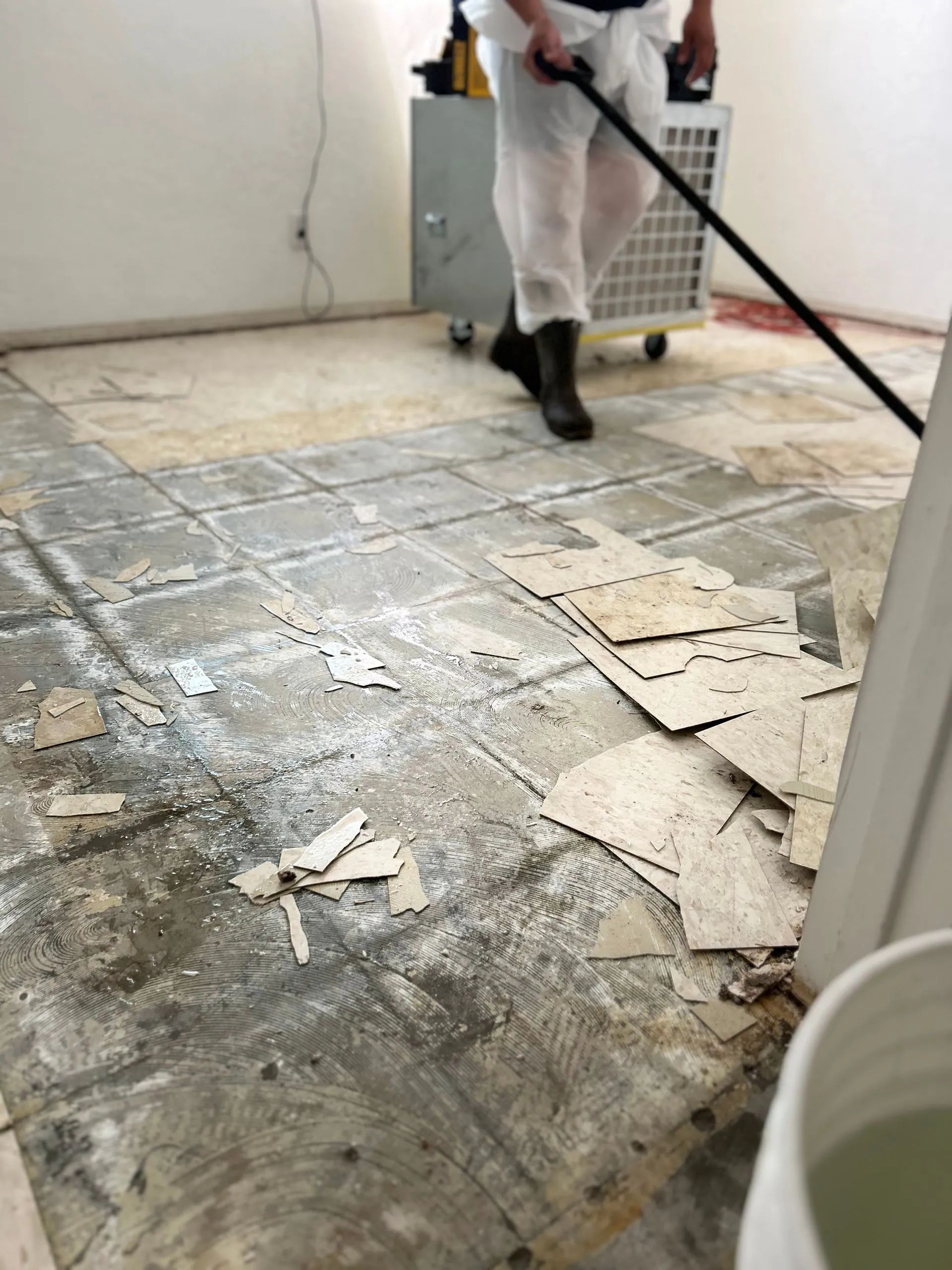
Identifying asbestos requires careful inspection and often professional testing. Warning signs include crumbling insulation, aging floor tiles, deteriorating ceiling materials, or dust containing fibrous material. Homeowners and building managers should avoid disturbing suspect materials themselves. Accredited asbestos professionals use specialized equipment to test and, if necessary, safely remove or encapsulate asbestos.
Best Practices for Asbestos Management
- Assessment: Conduct a professional asbestos survey before renovations or demolition.
- Containment: Avoid disturbing known asbestos materials; use barriers and proper protective equipment when handling is unavoidable.
- Removal and Abatement: Only licensed contractors should perform removal. Improper handling can release dangerous fibers into the air.
- Documentation and Compliance: Maintain records of asbestos inspections and abatement actions to meet regulatory requirements.
Proactively managing asbestos in older buildings protects occupant health, ensures compliance, and prevents costly emergency remediation.
Mold: The Silent Invader
Understanding Mold Growth
Mold is a type of fungus that thrives in damp, humid environments. Leaks, poor ventilation, flooding, or high indoor humidity levels create ideal conditions for mold proliferation. Mold is not just unsightly; it can compromise building integrity, damage materials like drywall and wood, and significantly impact indoor air quality. Common indoor molds include Cladosporium, Penicillium, and Stachybotrys—the notorious “black mold.”
Health Implications
Exposure to mold spores can trigger allergic reactions, respiratory issues, asthma attacks, and skin irritation. Vulnerable populations, such as children, the elderly, or immunocompromised individuals, are at higher risk for severe symptoms. Prolonged exposure in poorly ventilated areas may exacerbate chronic respiratory conditions and contribute to long-term health complications.
Detecting Mold
Mold can remain hidden behind walls, under flooring, or inside ventilation systems. Key indicators include:
- Persistent musty odors
- Visible discoloration or water stains
- Increased allergy-like symptoms among occupants
Professional mold inspection and air quality testing help determine the extent of contamination and guide effective remediation.
Best Practices for Mold Prevention and Remediation
- Moisture Control: Fix leaks promptly, install proper drainage, and maintain humidity below 50%.
- Ventilation: Ensure adequate airflow in bathrooms, kitchens, and basements.
- Cleaning: Use mold-resistant products, clean affected surfaces with appropriate fungicides, and remove porous materials when necessary.
- Professional Remediation: Severe mold infestations require certified remediation specialists to safely remove contaminants without spreading spores.
Mold management safeguards health, prevents structural damage, and enhances overall building longevity.
Lead: A Hidden Threat in Paint and Plumbing
History of Lead Use
Lead was widely used in residential and commercial buildings for paint, plumbing pipes, and solder before the 1970s. Its durability and corrosion resistance made it a preferred choice. However, the health risks associated with lead exposure—especially in children—have led to strict regulations limiting its use. Despite this, many older buildings still contain lead-based paint, pipes, and fixtures.
Health Risks of Lead Exposure
Lead poisoning can occur through ingestion of lead dust or chips from deteriorating paint, or through drinking water from lead-containing plumbing. Children are particularly vulnerable, as lead can impact brain development, learning abilities, and behavior. Adults may experience cardiovascular issues, kidney damage, or reproductive problems. Even low levels of exposure can have long-term health consequences.
Identifying Lead Hazards
Lead hazards are not always visible. Signs include:
- Peeling or chipping paint in older structures
- Corroded or discolored plumbing fixtures
- Dust accumulation during renovations
Professional testing, including paint chip analysis and water testing, is essential to accurately detect lead hazards.
Lead Management and Safety Measures
- Inspection: Conduct certified lead-based paint inspections and water testing before renovation.
- Containment: Isolate areas with deteriorating lead materials to prevent dust spread.
- Safe Renovation Practices: Use certified lead-safe contractors for removal or encapsulation.
- Regular Monitoring: Periodically inspect and maintain paint and plumbing systems to ensure ongoing safety.
Understanding and managing lead hazards protects occupant health, ensures compliance with safety regulations, and prevents legal liabilities.
Integrated Hazard Management
Coordinated Risk Assessment
Older buildings often contain a combination of asbestos, mold, and lead. Integrated risk assessment involves evaluating the property for all potential hazards simultaneously. Certified inspectors use specialized tools and sampling techniques to identify hidden risks, quantify exposure levels, and prioritize remediation efforts. A comprehensive assessment reduces oversight and ensures a coordinated approach to safety.
Health and Regulatory Considerations
Managing multiple hazards requires adherence to federal, state, and local regulations, such as OSHA guidelines, EPA lead-based paint rules, and asbestos abatement standards. Ensuring compliance minimizes legal risk, protects public health, and maintains property value. Building managers must develop hazard-specific plans while coordinating timelines to prevent cross-contamination during remediation.
Best Practices for Property Owners
- Professional Consultation: Engage certified inspectors and abatement specialists.
- Sequential Remediation: Address the most hazardous materials first (e.g., asbestos before mold or lead).
- Communication: Inform occupants and contractors about risks and preventive measures.
- Documentation: Maintain detailed records of inspections, remediation, and ongoing monitoring for regulatory compliance and property management purposes.
Real-World Scenario
Consider a historic school undergoing renovation. An initial inspection reveals asbestos insulation, mold in water-damaged classrooms, and lead paint on walls. By coordinating abatement, mold remediation, and lead-safe renovation, contractors protect children and staff while preserving the building’s historic character. This integrated approach ensures safety, efficiency, and regulatory compliance.
Prevention and Ongoing Maintenance
Regular Inspections
Routine inspections are essential for identifying early signs of asbestos degradation, mold growth, or lead deterioration. Seasonal checks, particularly after heavy rainfall or HVAC maintenance, help prevent problems before they escalate.
Environmental Controls
Maintaining proper ventilation, humidity control, and temperature regulation reduces the likelihood of mold growth. Encapsulating asbestos materials and applying protective coatings to lead-painted surfaces further mitigate risks.
Educating Occupants and Staff
Awareness programs for building occupants and maintenance staff improve vigilance. Understanding potential hazards and proper handling procedures reduces accidental exposure and ensures quick response to emerging problems.
Long-Term Benefits
Proactive hazard management enhances building safety, preserves property value, and reduces costly emergency remediation. By integrating inspection, prevention, and education into a long-term maintenance plan, property owners safeguard health, ensure compliance, and protect investments.
Achieving Sustainable Restoration With Professional Remediation Strategies
Older buildings offer charm, character, and historical significance, but they also conceal hidden hazards like asbestos, mold, and lead. Each of these threats carries serious health risks, ranging from respiratory illnesses to neurological damage, and requires expert identification and management. Understanding the sources, health impacts, detection methods, and remediation strategies is critical for property owners, contractors, and facility managers. Through proactive assessment, hazard-specific interventions, and ongoing maintenance, building stakeholders can prevent exposure, maintain structural integrity, and ensure occupant safety.
At NM Abatement LLC, we bring over 30
years of specialized experience in asbestos abatement to Albuquerque, New Mexico. Our team is committed to delivering safe, compliant, and efficient removal of hazardous materials, protecting both property and occupants. From comprehensive inspections to certified abatement services, we combine industry expertise with hands-on professionalism. Trusted by homeowners, businesses, and institutions alike, NM Abatement LLC
ensures that hidden dangers in older buildings are expertly managed, giving clients confidence, peace of mind, and a healthier environment for all.