How Comprehensive Environmental Cleanup Restores Properties Safely
January 19, 2026
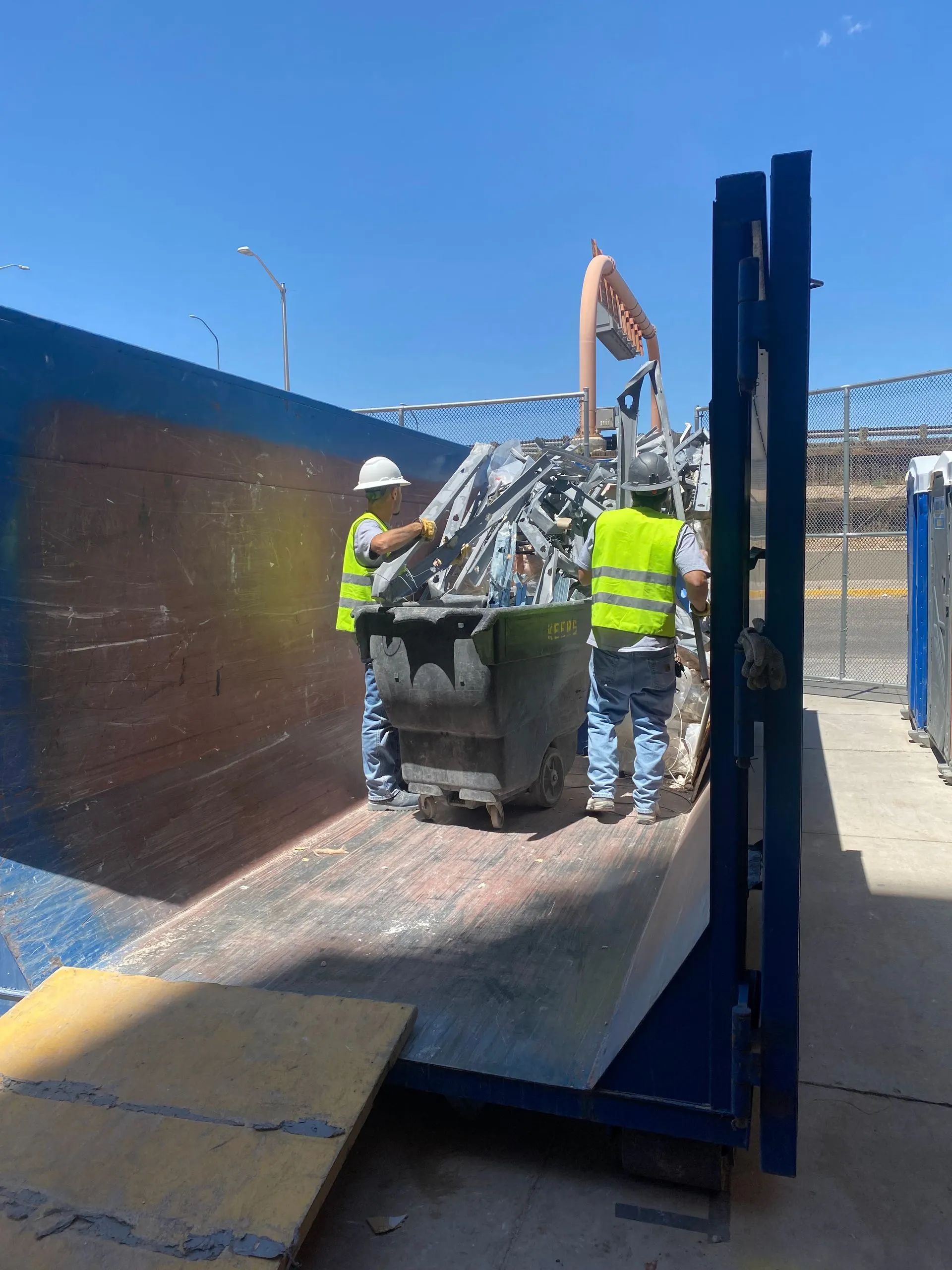
Environmental hazards in both residential and commercial properties have become a growing concern in recent decades. From chemical spills and mold infestations to asbestos and lead contamination, properties can face numerous threats that compromise both safety and usability. Addressing these hazards is not just a matter of compliance with regulations—it is a critical step toward protecting human health, preserving property value, and maintaining community well-being. Comprehensive environmental cleanup provides a structured, professional approach to identifying, removing, and mitigating these risks, ensuring that properties are restored safely and responsibly.
Modern cleanup efforts integrate advanced assessment tools, specialized containment procedures, and adherence to strict safety protocols. These practices not only prevent further contamination but also create long-term solutions that allow properties to be repurposed or restored without lingering health risks. Businesses and homeowners increasingly recognize that proactive environmental remediation is an investment rather than an expense, reducing future liabilities and potential legal issues. In this context, understanding the full scope of environmental cleanup—its processes, challenges, and best practices—is essential for anyone tasked with property management, restoration, or development.
1. Understanding Environmental Hazards
Types of Environmental Contaminants
Environmental hazards can be broadly categorized into chemical, biological, and physical contaminants. Chemical hazards include industrial solvents, petroleum products, pesticides, and heavy metals like lead or mercury. Biological hazards often encompass mold, bacteria, viruses, and other pathogens that thrive in damp or poorly ventilated environments. Physical hazards can include asbestos, deteriorating building materials, or debris that poses structural risks. Recognizing the type of hazard is the first step in planning a safe and effective cleanup.
Health and Property Risks
Exposure to environmental contaminants can lead to severe health consequences, including respiratory illnesses, skin disorders, neurological problems, and long-term chronic conditions. Additionally, contaminated properties often experience decreased market value, legal liabilities, and costly remediation requirements if left untreated. Businesses may face regulatory penalties, while homeowners could encounter health risks for their families. Comprehensive cleanup aims to mitigate these risks, ensuring that properties are safe for occupancy and future use.
2. The Assessment and Inspection Process
Initial Site Assessment
Before any cleanup begins, a thorough site assessment is essential. Professionals evaluate the property to identify the extent and type of contamination. This includes visual inspections, sampling of air, soil, and water, and reviewing historical records for past industrial or chemical activity. Accurate assessment informs the scope of the cleanup, resource allocation, and safety measures required.
Risk Analysis and Prioritization
Once hazards are identified, risk analysis determines which areas pose the greatest threat. For example, high levels of asbestos in a commercial building may require immediate containment, while low-level mold growth in a non-occupied storage area might be addressed with less urgency. Prioritization ensures resources are used efficiently, and the most critical threats are mitigated first.
Real-World Scenario
Consider a manufacturing facility with an old storage room containing lead-based materials. A professional inspection identifies both airborne particles and soil contamination. Without assessment, the property owner might overlook the soil hazard, leading to long-term environmental and legal issues. A comprehensive inspection ensures both immediate and secondary risks are addressed.
3. Safe Containment and Removal Techniques
Isolation and Containment
Containment is a crucial step in environmental cleanup. Hazardous materials must be isolated to prevent spreading during removal. Techniques include physical barriers, negative air pressure systems, and sealed storage containers for chemical or biological contaminants. Proper containment minimizes exposure to workers and nearby residents.
Specialized Removal Procedures
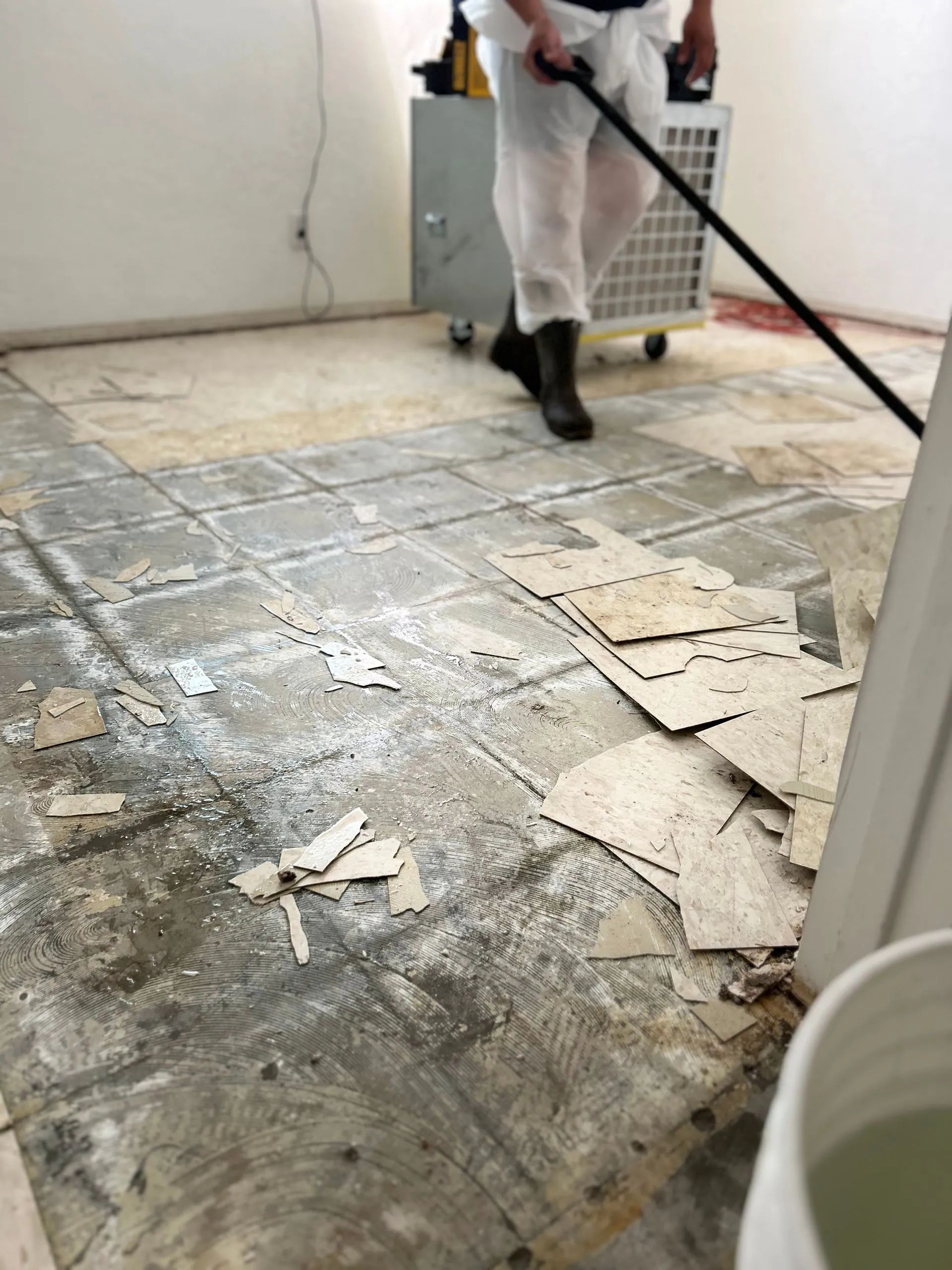
Different hazards require tailored removal methods. Asbestos abatement, for instance, involves wetting fibers to prevent airborne dispersion and using specialized vacuums equipped with HEPA filters. Chemical spills may require neutralization agents or vacuum extraction, while mold remediation includes careful removal of affected materials and treatment with antimicrobial solutions. Each method follows strict safety regulations to ensure effective and safe elimination of contaminants.
Challenges in Removal
One of the primary challenges in environmental cleanup is the potential for cross-contamination. Improper handling can spread hazardous substances to uncontaminated areas, amplifying risk. Additionally, workers must wear personal protective equipment (PPE) and adhere to rigorous protocols, which can slow the process but are essential for safety.
4. Decontamination and Site Restoration
Cleaning and Decontamination
After hazardous materials are removed, surfaces, equipment, and surrounding areas undergo decontamination. This process involves cleaning with approved chemical agents, HEPA vacuuming, and, in some cases, fumigation or sterilization. Proper decontamination ensures that remaining pathogens or residues are eliminated, making the property safe for reoccupation.
Environmental Monitoring
Post-cleanup monitoring is critical to verify that the site meets safety standards. Air and soil samples are analyzed to ensure contaminant levels are within regulatory limits. Continuous monitoring may be required for certain high-risk sites, such as former industrial plants or properties previously exposed to persistent chemical hazards.
Restoration and Property Reuse
Once the site is deemed safe, restoration work can begin. This may include repairing structural damage, repainting, or replacing contaminated materials. For commercial properties, restored areas can be repurposed for new operations, while residential properties become habitable again. Comprehensive cleanup thus not only protects health but also restores property value and usability.
5. Regulatory Compliance and Best Practices
Adhering to Standards
Environmental cleanup is governed by federal, state, and local regulations. Agencies like the Environmental Protection Agency (EPA) provide guidelines for handling, transporting, and disposing of hazardous materials. Compliance ensures legal protection for property owners and safeguards public health.
Documentation and Reporting
Proper documentation is a critical aspect of any cleanup project. Detailed records of assessments, removal methods, disposal, and monitoring results serve as evidence of compliance and due diligence. These records are valuable in case of inspections, legal disputes, or future property transactions.
Industry Best Practices
Experts recommend several best practices for effective environmental cleanup:
- Conducting comprehensive risk assessments before starting work.
- Using certified and trained professionals for hazardous material removal.
- Employing advanced technology for detection and containment.
- Implementing continuous monitoring to ensure long-term safety.
- Educating property owners and stakeholders on potential hazards and safety measures.
6. Long-Term Benefits of Comprehensive Cleanup
Health and Safety Advantages
Proper environmental cleanup significantly reduces health risks associated with exposure to contaminants. By removing hazardous substances and decontaminating affected areas, properties become safe for residents, employees, and visitors. This proactive approach prevents chronic illnesses and minimizes potential emergency interventions.
Financial and Legal Benefits
Investing in thorough cleanup also protects property owners financially. Contaminated sites often face devaluation, fines, or lawsuits if hazards persist. Proper remediation maintains property value and prevents costly future interventions. Additionally, businesses demonstrate corporate responsibility, enhancing reputation and community trust.
Sustainability and Environmental Impact
Comprehensive cleanup contributes to environmental sustainability. By safely disposing of hazardous materials and mitigating contamination, ecosystems are protected from long-term damage. Soil, air, and water quality improve, which benefits the surrounding community and supports regulatory and conservation goals.
7. Emerging Technologies and Innovations
Advanced Detection Tools
Modern environmental cleanup increasingly relies on advanced detection technologies. Infrared imaging, laser scanning, and real-time sensors allow professionals to identify contaminants that are not visible to the naked eye. These innovations improve accuracy and efficiency, reducing the risk of overlooked hazards.
Automation and Robotics
Robotic systems are being deployed for hazardous material handling, particularly in high-risk areas. Automated devices can safely remove toxic substances, limiting human exposure while speeding up the cleanup process. These technologies are especially valuable in industrial or large-scale contamination scenarios.
Eco-Friendly Approaches
Innovative cleanup methods now incorporate eco-friendly techniques, such as biodegradable cleaning agents and recyclable containment systems. These approaches align environmental remediation with sustainability goals, reducing the overall ecological footprint of cleanup operations.
8. Preparing for Future Environmental Challenges
Risk Prevention Strategies
Comprehensive environmental cleanup is not just reactive—it can inform proactive measures to prevent future contamination. Site evaluations, proper storage of chemicals, regular inspections, and adherence to safety protocols reduce the likelihood of recurring hazards.
Training and Education
Property owners and facility managers benefit from ongoing education about potential environmental risks. Training staff on hazard recognition, safe material handling, and emergency response ensures preparedness and reinforces a culture of safety.
Community Engagement
Engaging local communities and stakeholders in environmental safety initiatives strengthens overall awareness and promotes accountability. Public workshops, informational campaigns, and collaboration with environmental agencies can foster proactive mitigation efforts and reduce environmental impact over time.
Achieving Sustainable Restoration With Professional Remediation Strategies
Comprehensive environmental cleanup is essential for restoring properties safely, protecting public health, and preserving property value. By understanding hazards, conducting thorough assessments, employing safe removal techniques, and adhering to regulatory standards, property owners can address contamination effectively and responsibly. The long-term benefits extend beyond immediate safety, enhancing financial stability, sustainability, and community trust. Emerging technologies and best practices continue to improve the efficiency and safety of environmental remediation, ensuring that properties are fully restored and future risks are minimized.
NM Abatement LLC, based in Albuquerque, New Mexico, brings over 30
years of experience in environmental cleanup and remediation. Our team is committed to delivering safe, thorough, and compliant restoration services for residential, commercial, and industrial properties. We combine advanced techniques, rigorous safety protocols, and a deep understanding of regulatory requirements to ensure each project meets the highest standards. Property owners can trust NM Abatement LLC
to restore their spaces responsibly, safeguard health, and provide peace of mind with professional expertise honed over three decades in the industry.