Professional Asbestos Abatement: What Homeowners and Businesses Need to Know

August 29, 2025

Asbestos, once widely used in construction materials, poses serious health risks when its fibers become airborne. Exposure can lead to respiratory issues, including asbestosis, lung cancer, and mesothelioma. For both homeowners and businesses, identifying and managing asbestos is crucial for safety and compliance with environmental regulations. Older buildings, particularly those built before the 1980s, are more likely to contain asbestos in insulation, flooring, or roofing materials. Even minor renovations can disturb these materials, releasing dangerous fibers into the air. Professional asbestos abatement ensures that this hazardous material is handled correctly, minimizing risk to occupants and the surrounding community. Understanding how abatement works and why expert services are essential is key to safeguarding health and property.

What Is Asbestos Abatement?

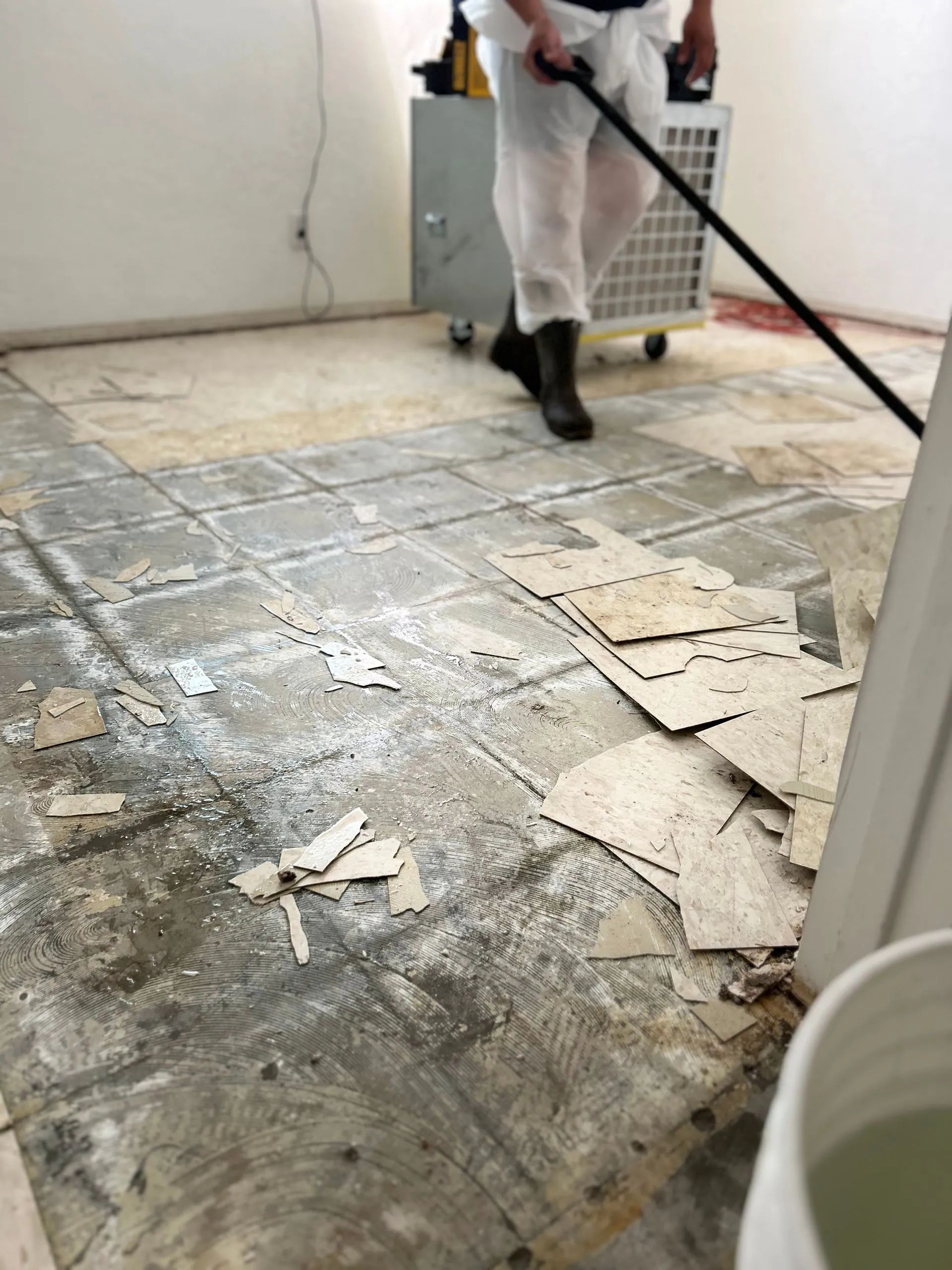
Asbestos abatement refers to the process of removing, encapsulating, or repairing materials containing asbestos to prevent the release of harmful fibers. The work requires specialized training, equipment, and strict adherence to safety guidelines. Attempting DIY asbestos removal is highly dangerous and illegal in many areas due to the severe health risks associated with improper handling. Professional abatement ensures that all safety measures are followed, protecting not only the occupants but also the surrounding environment from contamination. Timely intervention can also prevent minor asbestos issues from escalating into larger, costlier problems.

Why Professional Services Are Essential

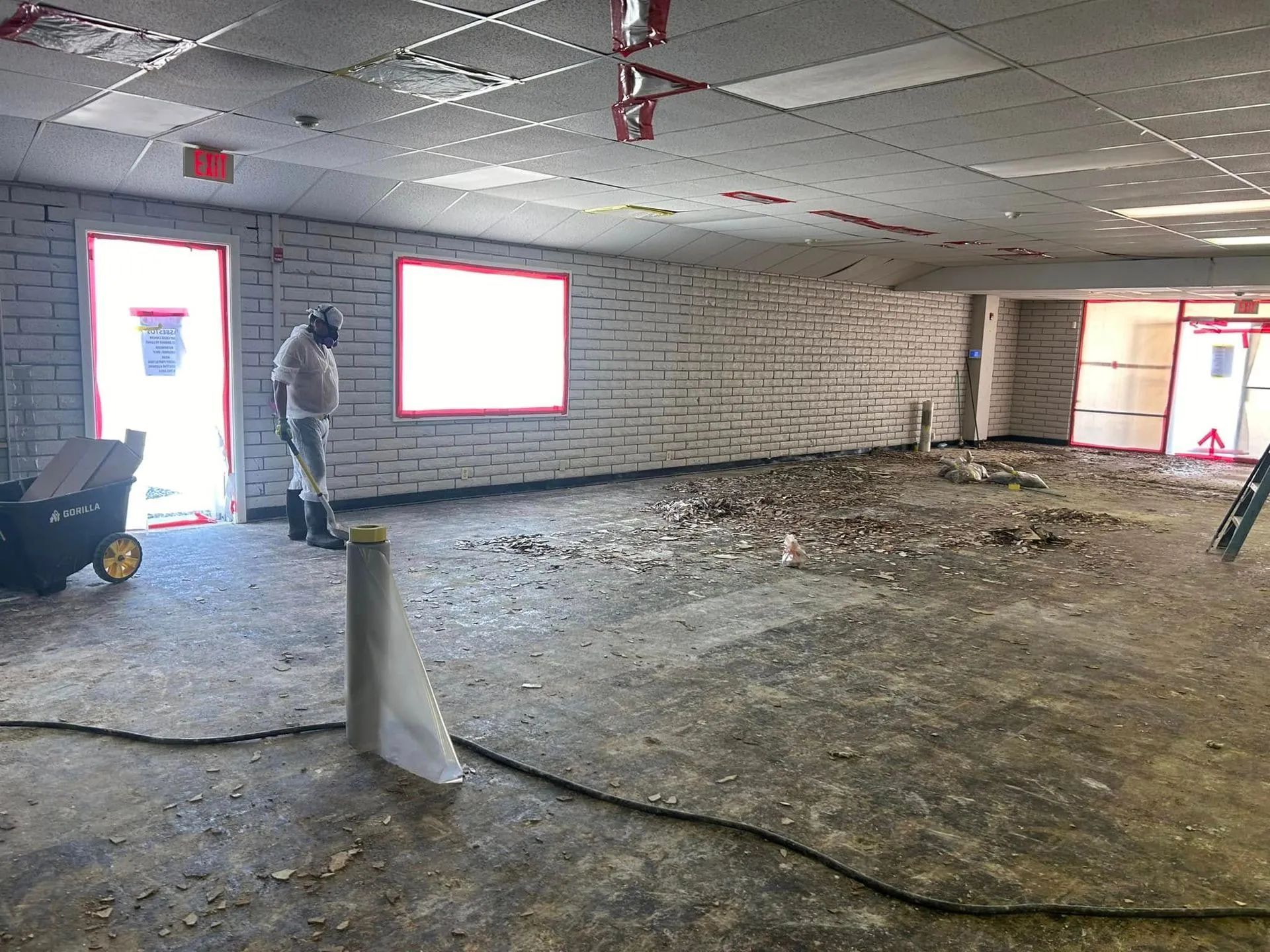
Certified asbestos abatement professionals follow stringent safety protocols, including containment, negative air pressure systems, and proper disposal of hazardous materials. These measures ensure the safety of workers, building occupants, and the environment. Additionally, professional abatement reduces liability and ensures compliance with federal and state regulations. Hiring experts mitigates both health hazards and potential legal complications associated with improper handling.

The Abatement Process Explained

 The typical process begins with a comprehensive inspection and testing to identify asbestos-containing materials. Once identified, professionals create a detailed abatement plan, including containment strategies and timelines. Removal involves carefully stripping or sealing asbestos materials while minimizing fiber release. After removal, the area undergoes rigorous cleaning and air quality testing to ensure it is safe for occupancy. Professionals also provide clear documentation of the work performed, which can be important for insurance purposes or property resale. 

Benefits of Hiring Experts

Professional asbestos abatement offers peace of mind, protecting health and property value. Proper removal prevents contamination that could affect future renovations, real estate transactions, or tenant safety. Experts also provide documentation for regulatory compliance, which is essential for businesses and public buildings. By relying on trained professionals, property owners avoid costly mistakes and reduce the risk of long-term health hazards. Furthermore, expert services often save time and resources by completing the project efficiently while adhering to safety standards, making it a smart investment for any property owner.

Trust NM Abatement LLC for Safe Asbestos Removal

When it comes to asbestos abatement in Albuquerque, New Mexico, NM Abatement LLC is a trusted choice. With over 30 years of experience, the company specializes in safe, efficient, and compliant asbestos removal for both residential and commercial properties. Their expert team handles every project with meticulous attention to safety, following all federal and state regulations. By choosing us, homeowners and businesses can ensure their properties are free from hazardous asbestos fibers, maintaining a healthy environment for all occupants. Professional, reliable, and experienced, we are your partner in safe asbestos management.

Wooded campsite with a metal shelter, fire pit, logs, and a rusty stove amid dry trees.
May 30, 2026
Environmental contamination creates risks that extend far beyond visible damage. Properties affected by asbestos, mold, chemical residue, biohazards, or hazardous debris often experience declining market value, legal concerns, health hazards, and expensive restoration challenges.
Workers in protective suits carrying a red biohazard waste bag at an outdoor cleanup site
April 29, 2026
Hazardous materials are present in many residential, commercial, and industrial environments, often hidden within insulation, flooring, paints, roofing, and older building structures. While DIY projects have become increasingly popular for cost-saving and convenience,
An indoor commercial space undergoing renovation with a portable air scrubber unit connected to ventilation ducting.
March 25, 2026
Environmental restoration projects are critical undertakings aimed at returning contaminated or damaged properties to a safe and functional condition.
Show More
Wooded campsite with a metal shelter, fire pit, logs, and a rusty stove amid dry trees.
May 30, 2026
Environmental contamination creates risks that extend far beyond visible damage. Properties affected by asbestos, mold, chemical residue, biohazards, or hazardous debris often experience declining market value, legal concerns, health hazards, and expensive restoration challenges.
Workers in protective suits carrying a red biohazard waste bag at an outdoor cleanup site
April 29, 2026
Hazardous materials are present in many residential, commercial, and industrial environments, often hidden within insulation, flooring, paints, roofing, and older building structures. While DIY projects have become increasingly popular for cost-saving and convenience,
An indoor commercial space undergoing renovation with a portable air scrubber unit connected to ventilation ducting.
March 25, 2026
Environmental restoration projects are critical undertakings aimed at returning contaminated or damaged properties to a safe and functional condition.
Show More