Musty Smell in a Room That Won't Go Away? What It Can Indicate
September 14, 2026
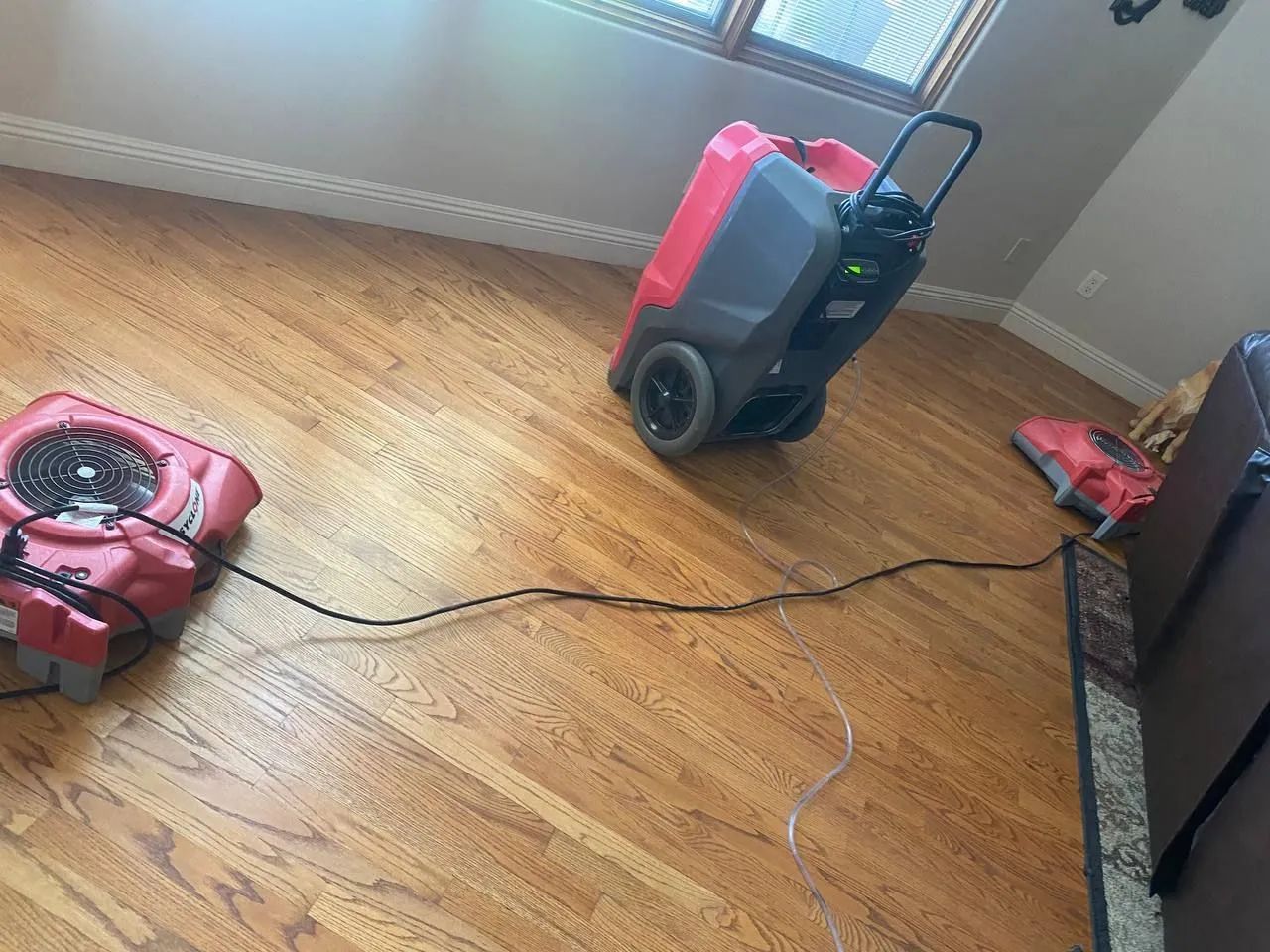
You notice it walking past the guest room, or maybe it's the closet you haven't opened in a week — that damp, earthy smell that doesn't match anything you can see. You check for a wet towel, a forgotten gym bag, a leaky water bottle. Nothing. You open a window, run a fan for a day, maybe set out a box of baking soda. The smell fades a little, then comes right back once the room closes up again. That pattern, more than the smell itself, is usually the detail worth paying attention to.
A room that smells musty on and off despite normal cleaning is telling you something about what's happening inside its walls, floor, or ductwork, not just what's sitting on the surface.
Quick Answer: A musty smell that lingers in one room, even after you've cleaned, aired it out, and run a dehumidifier, usually points to moisture somewhere you can't see — inside a wall cavity, under flooring, behind a baseboard, or inside HVAC ductwork. That earthy, damp odor comes from microbial volatile organic compounds released as mold or mildew grows on organic material, and research on these compounds shows the smell can show up before any visible staining does. A smell with no visible source is not something to ignore or mask with air freshener. If it persists for more than a few days despite normal ventilation, it's worth a moisture inspection to find out what's actually happening behind the surfaces.
Why the Smell Shows Up Before You See Anything
Mold and mildew release a group of compounds called microbial volatile organic compounds, or MVOCs, as they metabolize and grow on wood, drywall paper, insulation, or dust. Those compounds are what create the musty, earthy odor people associate with mold, and they're small enough to pass through materials that look solid — wallpaper, a layer of paint, the paper facing on drywall. Building science research on these compounds has found that the odor they produce is often detectable before any visible mold growth appears on a surface, which is exactly why a room can smell wrong for weeks before anyone spots a stain.
That timing gap matters. By the time discoloration shows up on drywall or a baseboard, growth has typically had time to establish itself in a space you can't inspect just by looking. The smell is the early signal. Waiting for a visible patch to appear before taking it seriously means waiting through the part of the process where the problem was still small and easy to reach.
What a Persistent Musty Smell Usually Traces Back To
A lingering odor in one specific room, rather than the whole house, generally means the moisture source is local to that space rather than a broad humidity issue. A few sources come up again and again.
A Slow, Hidden Plumbing Leak
A supply line inside a wall, drain pipe beneath a slab, or fitting behind a shower surround can leak slowly without puddles, keeping nearby materials damp and creating persistent musty odors in surrounding rooms.
Condensation From HVAC Equipment
Supply ducts running through unconditioned attics or crawlspaces can sweat when humid air meets cold surfaces. Condensation may soak insulation or framing, creating lingering odors that appear to originate inside the room itself.
Poor Ventilation Trapping Normal Household Moisture
Closets and poorly ventilated rooms can trap moisture from showers, cooking, laundry, and breathing. Over time, humidity settles into fabrics, carpet padding, or drywall, creating musty smells without requiring structural repairs.
Crawlspace Or Basement Moisture Rising Into The Room Above
A crawlspace with exposed soil, poor drainage, or no vapor barrier can allow ground moisture to migrate upward. Rooms above may smell musty despite dry surfaces because moisture enters through the subfloor.
Window Or Wall Condensation In Older Construction
Single-pane windows, aging weatherstripping, and poorly insulated walls create cold surfaces where indoor humidity condenses. Repeated moisture can saturate materials around window frames or exterior walls, eventually supporting growth and persistent musty odors.
Tip: Before assuming the worst, most certified inspectors start with a simple moisture reading rather than tearing into a wall. Pinless and pin-type moisture meters can flag high moisture readings in drywall, subflooring, or framing without any demolition, which is often enough to confirm whether a smell has a real moisture source behind it or is coming from something more minor, like an old area rug or stored fabric.
Where This Shows Up in New Mexico Homes Specifically
The state's dry climate works against mold most of the year, which is exactly why a musty smell here gets dismissed longer than it should. Homeowners assume low humidity rules mold out, but local building conditions still create pockets of trapped moisture.
Older adobe homes around Albuquerque, Rio Rancho, and Santa Fe were often renovated in stages, sometimes with additions that don't tie cleanly into the original drainage or ventilation. A retrofitted bathroom can end up with moisture pathways the rest of the house lacks.
Monsoon season, running mid-June through September, is when many hidden issues get their moisture supply. A roof that held up through a dry winter can develop a slow leak once heavy summer rain tests flashing and seals it hasn't seen in months.
Evaporative coolers, widely used across the region because of the dry climate, are another local factor worth mentioning. A unit with a clogged drain line, a cracked pan, or unsealed ductwork can introduce more humidity into a specific room than the rest of the house.
What the Smell Can Indicate About What's Happening Behind the Walls
A musty smell by itself doesn't tell you how extensive a moisture problem is, only that one exists. The intensity and pattern give some clues, though none of them substitute for an actual inspection.
A smell that's strongest near a specific wall, corner, or vent usually points to a localized source close to that spot, which is good news, since it narrows down where to look first.
A smell that fills the whole room evenly more often traces back to something distributed, like a crawlspace or an HVAC system feeding the room broadly rather than a single leak point.
A smell that gets noticeably stronger after rain, after running the shower, or after the AC cycles is telling you the trigger, which is often the fastest way to identify the source without opening anything up.
But none of these patterns confirm what's actually growing or how much material is affected. That determination comes from a physical inspection, not from how a room smells on a given day..
When It's Time for a Professional Look
Not every musty room needs a specialist. One that clears up once you fix an obvious cause, like a wet rug you finally throw out, is done at that point. A few situations still call for a certified inspection rather than more home remedies.
The smell has persisted for more than a few days despite normal airflow and cleaning. Ordinary household moisture dissipates on its own within a reasonable window once you address it; a smell that keeps returning after you've aired the room out and checked the obvious spots suggests the source isn't something you can see or reach.
There's no visible cause anywhere in the room. This is the scenario the EPA specifically flags as worth investigating — a space that smells moldy with no source you can identify by eye is exactly the situation moisture meters, infrared imaging, and, when needed, a small material sample are built to resolve.
The room has a history of water exposure. A past leak, a flood event, or a roof repair that happened months or years ago doesn't guarantee the area was ever fully dried out. A musty smell returning in a room with that history deserves a closer look rather than the benefit of the doubt.
HVAC ductwork feeds the affected room and the smell seems tied to when the system runs. Contamination inside ducts is difficult to assess or address without the right equipment, since the affected surfaces are inside a sealed system rather than an open wall cavity.
Warning: Covering a musty smell with a scented spray or painting over a suspicious area doesn't address anything underneath. Sealing a surface with paint can trap moisture against the material rather than letting it dry, which sometimes makes the underlying condition worse even as the room appears to smell better for a while.
What an Inspection and Remediation Process Actually Involves
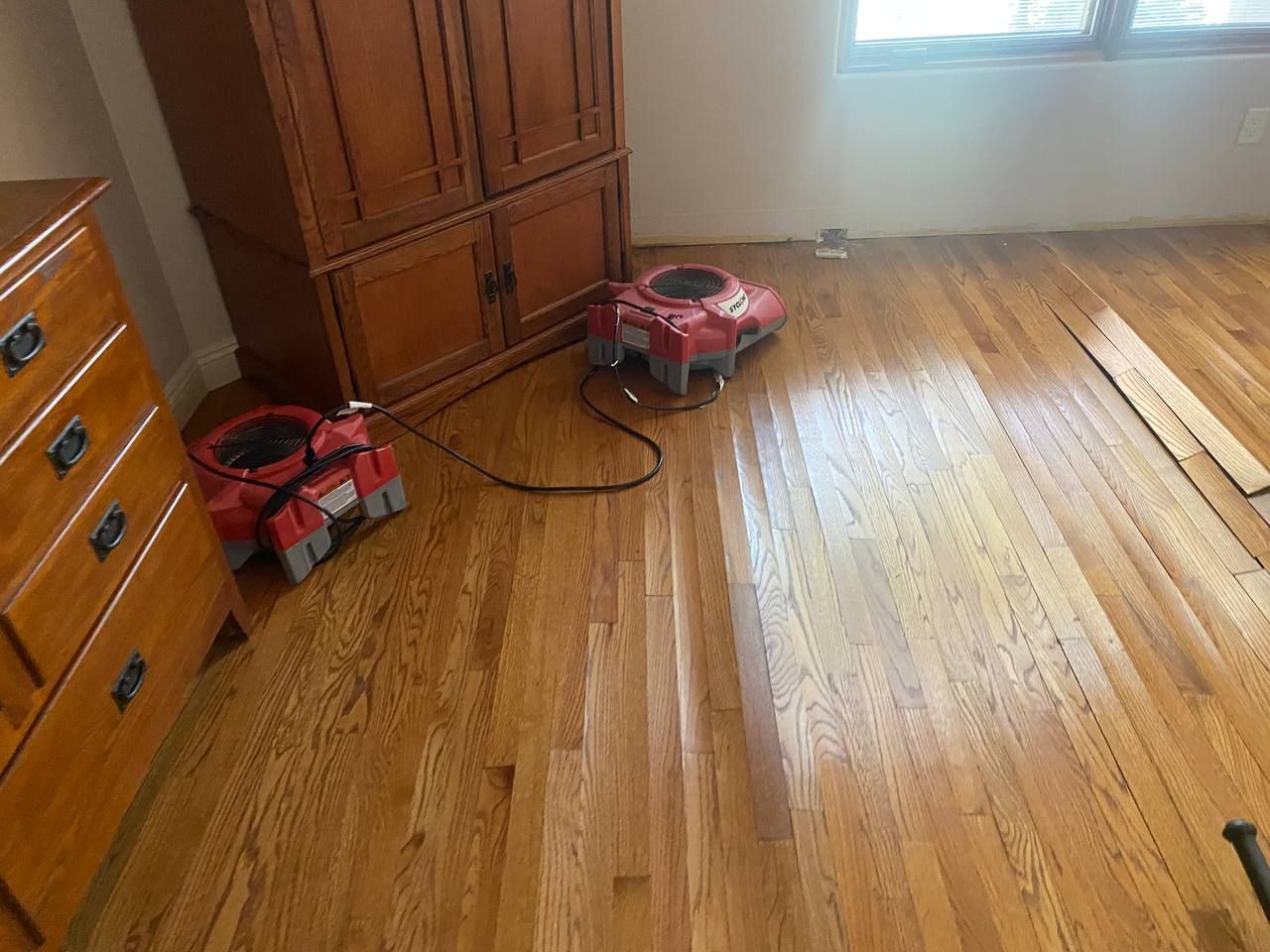
A professional assessment starts with locating the moisture, not the mold. Certified inspectors use moisture meters, infrared imaging, and air sampling to identify where dampness is concentrated and how far it extends behind walls, under flooring, or inside ductwork, since the visible extent of an odor rarely matches the physical extent of the material affected.
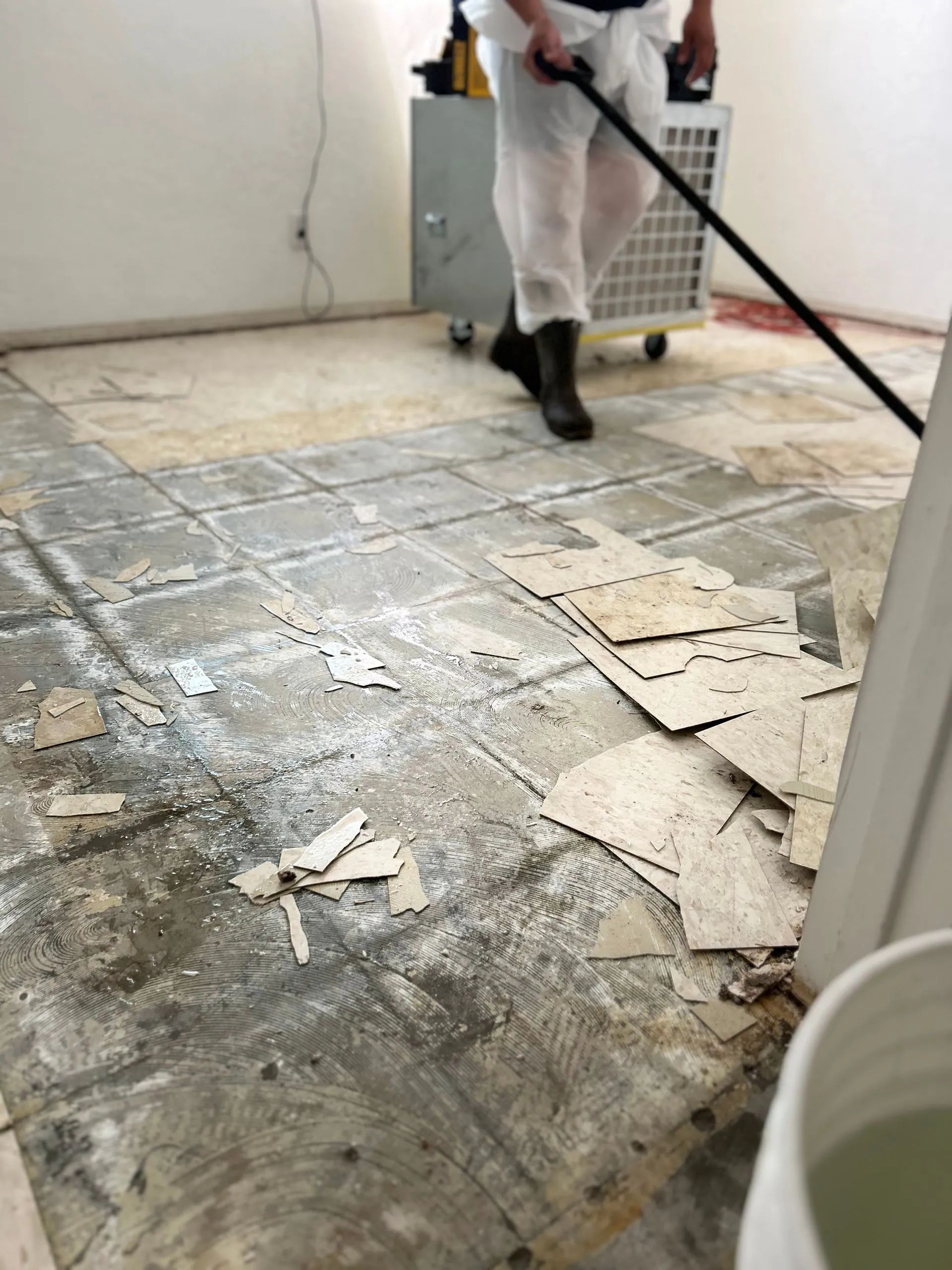
If the assessment confirms mold growth that needs to be addressed, the work that follows is built around containment first. That means isolating the affected area with physical barriers and running negative air pressure so that disturbing the material doesn't spread spores into the rest of the home, paired with HEPA filtration to capture airborne particles throughout the process. Contaminated materials that can't be cleaned are removed and disposed of properly, while salvageable surfaces are cleaned using industry-approved methods rather than a household spray.
The part that actually stops the smell from coming back is moisture source repair — finding and fixing the leak, ventilation gap, or drainage issue that created the conditions in the first place. Removing visible growth without correcting the underlying moisture source usually means the same smell returns within months, sometimes in the exact same spot. Once remediation work wraps up, post-remediation testing confirms the space has returned to acceptable conditions before anyone treats the room as fully resolved.
Living With a Room That's Been Cleared
Once a room has been inspected, addressed, and tested clear, keeping it that way mostly comes down to controlling humidity and airflow rather than watching for another odor to appear. Running exhaust fans during and after showers, keeping closets on exterior walls slightly cracked for airflow, checking evaporative cooler drain lines each season, and having a roof inspected after a particularly active monsoon season all reduce the odds of the same conditions recurring. None of these habits require special equipment, and most homeowners in the region already do at least some of them without thinking of it as mold prevention specifically.
A musty smell isn't something to live with indefinitely or explain away. It's information about a room's condition, and treating it that way, rather than as a nuisance to mask, is what keeps a small moisture issue from becoming a larger one.
Frequently Asked Questions
Can a musty smell go away on its own without any repairs?
Sometimes, if the cause was minor and temporary, like a damp item or a humid stretch. When the smell keeps returning after airing out, an ongoing moisture source is likely.
Does a musty smell always mean there's mold?
Not necessarily. Mildew, some bacterial growth, and even certain building materials can create a similar earthy odor without full mold colonization. Either way, the smell reliably points to higher moisture somewhere worth identifying.
Why does my house smell musty in one room but not the rest of the home?
A localized smell almost always means a localized source: a specific pipe, a section of ductwork, or the crawlspace beneath that room, rather than whole-house humidity.
Is it safe to just paint over a musty-smelling wall?
Painting doesn't remove the cause, and it can trap moisture behind the coat instead of letting the wall dry, sometimes making the condition harder to identify and resolve later on.
Can my evaporative cooler be causing a musty smell in a specific room?
Possibly, especially with a clogged drain line, cracked pan, or unsealed ductwork. Coolers add moisture by design, so a maintenance issue can raise humidity in one connected room noticeably.
Should I test the air for mold before calling anyone?
Air testing mainly confirms remediation results afterward. A moisture inspection, checking readings behind walls, under flooring, or in ductwork, is the more direct first step, and it determines whether testing makes sense.
Why a Lingering Musty Smell Deserves Attention
A room that keeps smelling musty is rarely a decorating problem or a passing quirk of the weather. It is a small piece of information about what the walls, floors, and ductwork are holding onto where nobody can see it. The odor tends to arrive early, well before any stain does, which makes it one of the more honest signals a home gives you. Reading it that way keeps a minor moisture issue from quietly growing into something structural.
Local conditions in New Mexico make that early attention worth the habit, since monsoon leaks, unsealed crawlspaces, and evaporative coolers can trap moisture even in a dry climate. NM Abatement LLC
has worked through these exact patterns in homes across Albuquerque, NM, drawing on the 30
years of combined experience bringing to moisture and
mold
work. That background matters most in knowing where hidden dampness hides here, and how the region's building styles tend to hold it.