Lead Remediation Explained: Keeping Homes and Workplaces Safe
November 20, 2025

Lead is a toxic metal that can pose serious health risks when inhaled or ingested. Commonly found in older homes, lead-based paints, pipes, and contaminated soil, it can affect both adults and children, leading to developmental delays, neurological issues, and other long-term health problems. Many people are unaware that even minor renovations or aging infrastructure can release lead dust into the air, creating hidden hazards that silently accumulate over time. Exposure to lead doesn’t just affect health—it can also reduce property value and create liability issues for business owners. Because lead contamination is often invisible and insidious, proactive measures are essential. Understanding how professional lead remediation works is the first step toward ensuring homes and workplaces remain safe for everyone.
Identifying Lead Hazards
The first step in lead remediation is identifying potential sources of lead in a property. Professionals use specialized testing kits, X-ray fluorescence (XRF) analyzers, and dust wipe samples to detect lead in paints, pipes, soil, and other surfaces. Accurate detection is essential because improper identification can leave hidden risks behind, exposing occupants to dangerous levels of lead over time. In addition, thorough inspections help prioritize areas of concern and create a clear remediation plan tailored to the property’s specific needs. Early detection not only protects health but also reduces long-term remediation costs.
Containment and Safety Measures
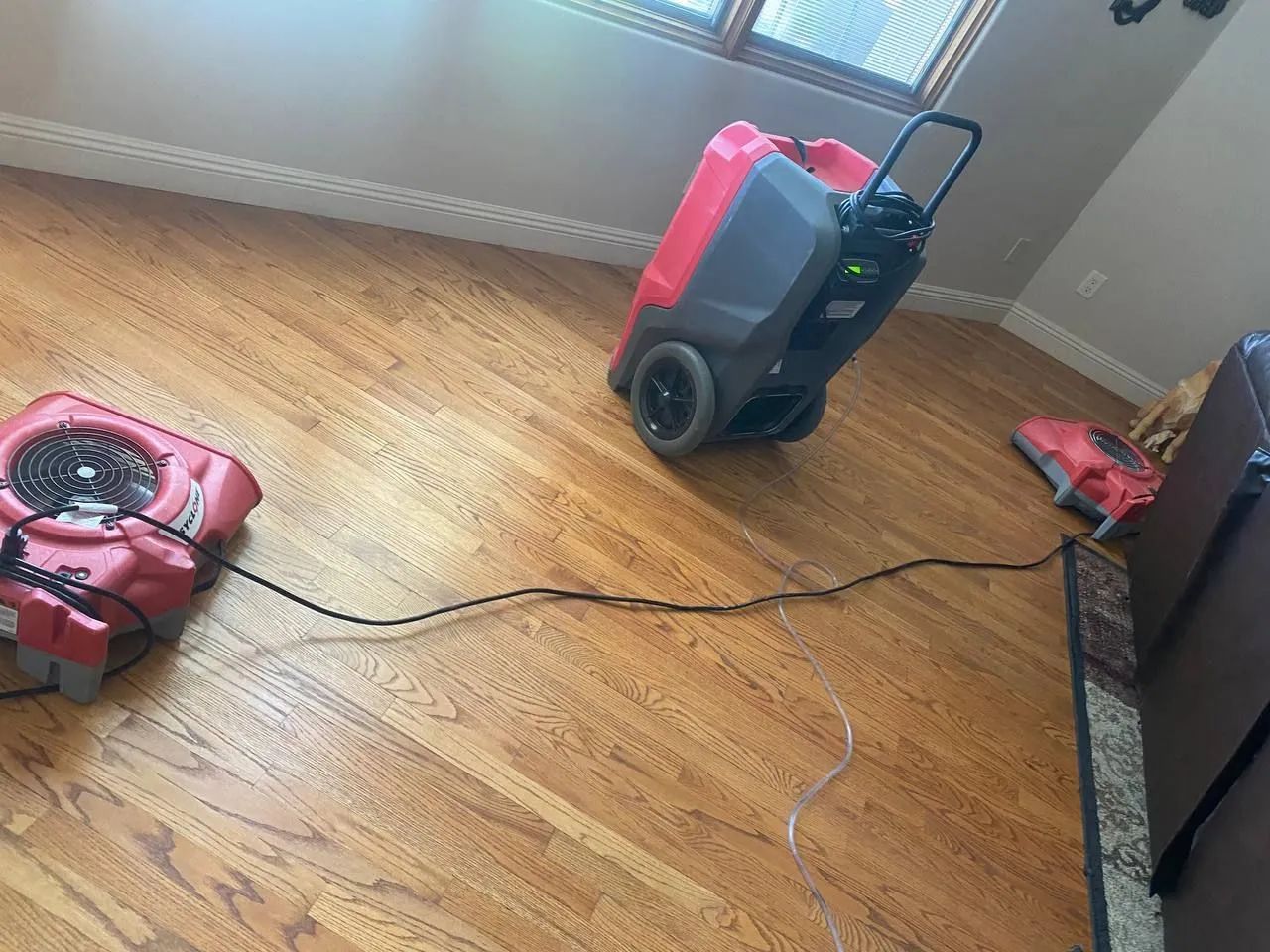
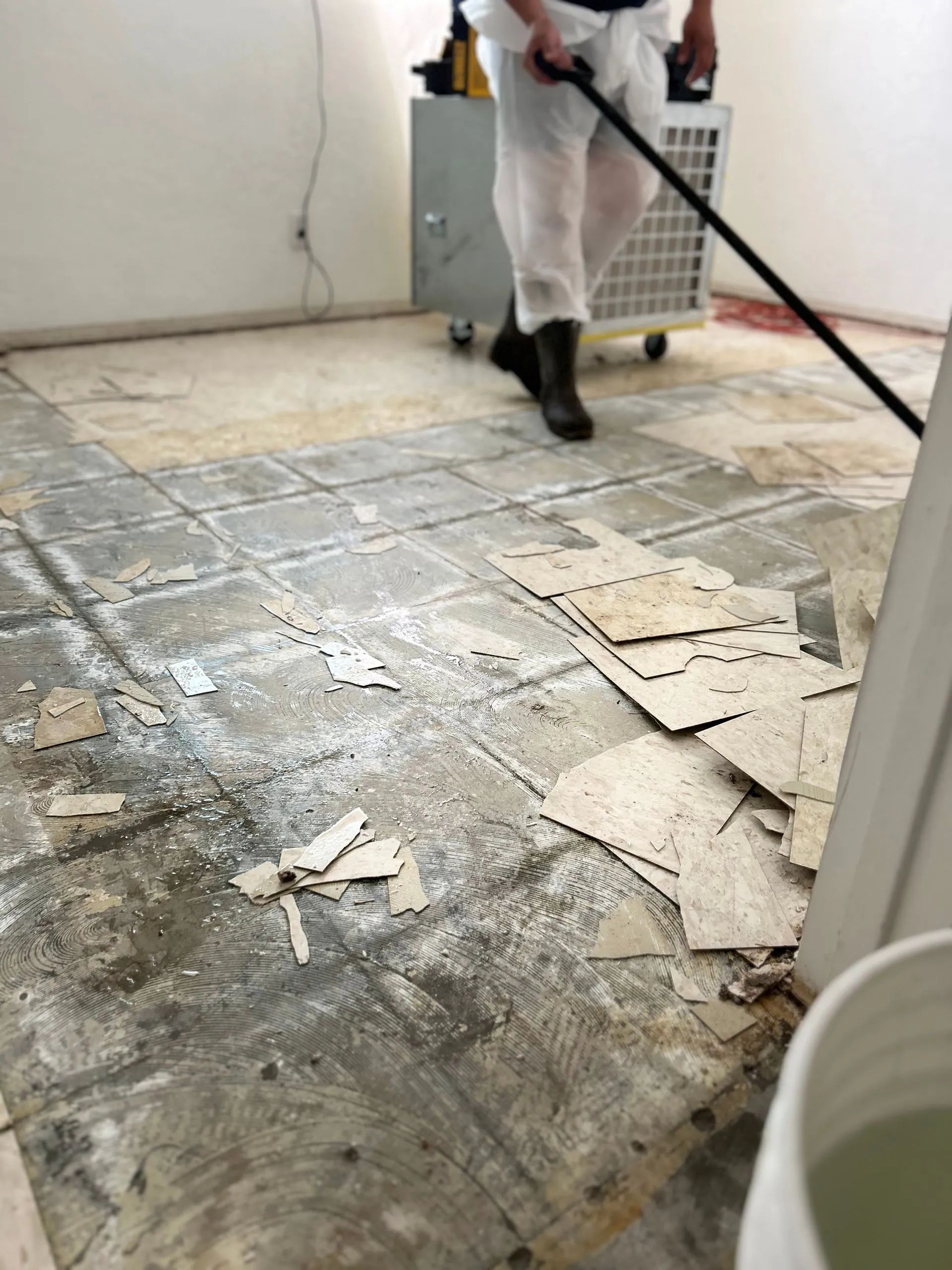
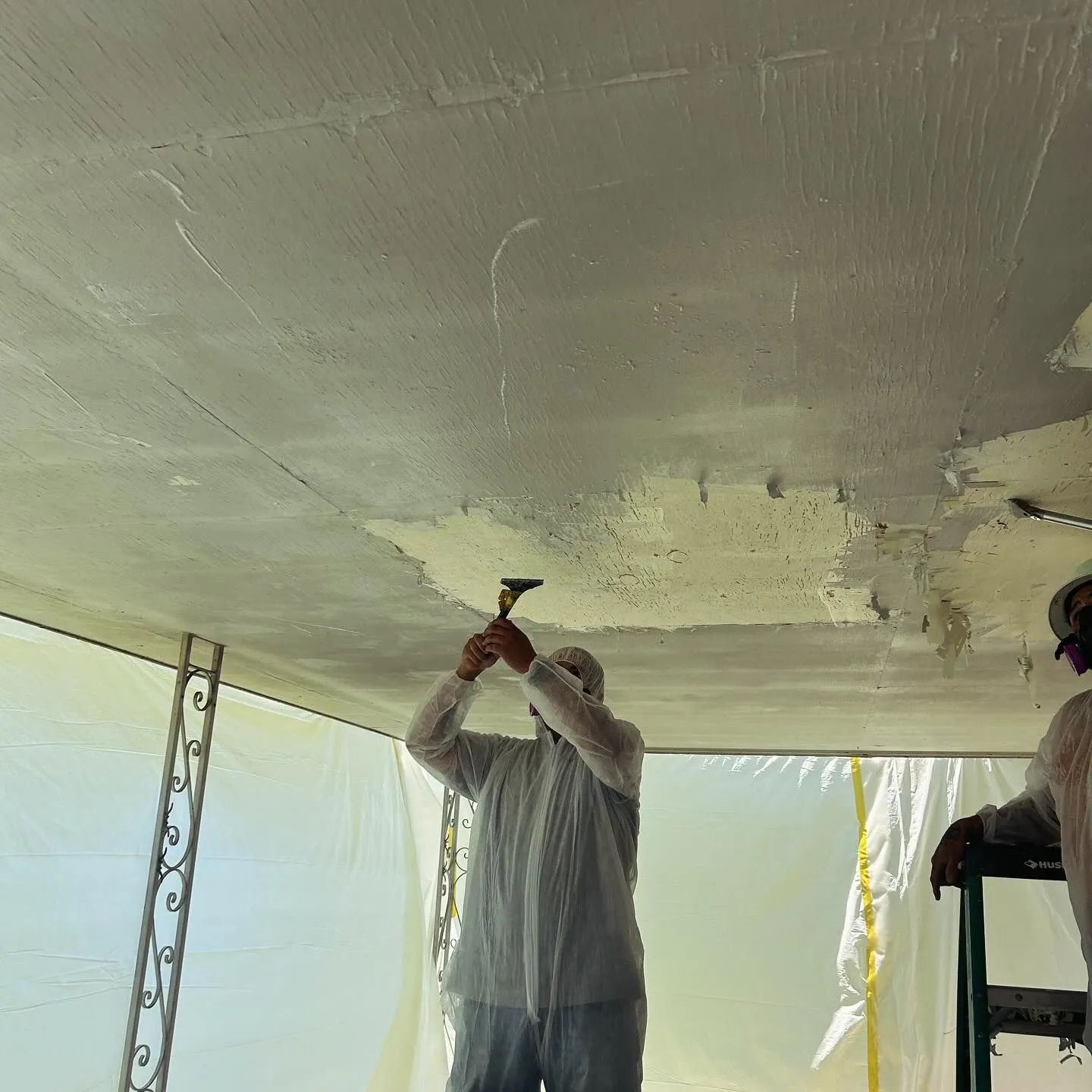
Once lead hazards are identified, remediation experts establish containment areas to prevent the spread of dust and debris. This includes sealing off affected rooms, using negative air pressure systems, and employing personal protective equipment (PPE) for workers. Containment ensures that lead particles do not spread to unaffected areas, which is particularly important in homes with children or workplaces with high traffic. These safety measures also include careful ventilation control and regular monitoring of air quality during the remediation process, ensuring the work site remains secure at all times.
Removal and Cleanup Procedures
Lead remediation involves carefully removing or encapsulating contaminated materials. This may include stripping lead-based paint, replacing old pipes, or applying specialized coatings that seal lead surfaces. Professional teams follow strict regulatory guidelines to handle and dispose of lead-containing waste safely. Following removal, thorough cleaning, and clearance testing, confirm that the environment is safe for occupancy. Additionally, proper documentation of the remediation process provides assurance to homeowners and property managers that all hazards have been effectively addressed.
Preventive Measures and Ongoing Maintenance
Lead remediation is not just about removal—it also involves implementing preventive strategies to minimize future risks. This can include routine inspections, using lead-free materials for renovations, and educating occupants on safe practices. Regular monitoring ensures that once a property is remediated, it remains safe for years to come. Property owners are also advised to maintain a lead safety plan, including periodic testing and maintenance, which further reduces the likelihood of recontamination or accidental exposure.
Trust NM Abatement LLC for Lead Safety
Protecting your home or workplace from lead hazards requires expertise, precision, and strict adherence to safety standards. NM Abatement LLC, based in Albuquerque, New Mexico, has over 30
years of experience in asbestos abatement and related environmental safety services, including
lead remediation. Their team of certified professionals ensures that every project is handled efficiently, safely, and in compliance with state and federal regulations. With our team, you can have peace of mind knowing that your property is not only lead-free but also safe for everyone who lives or works there.