Hazardous Material Removal: Why Certification and Safety Protocols Matter
December 26, 2025
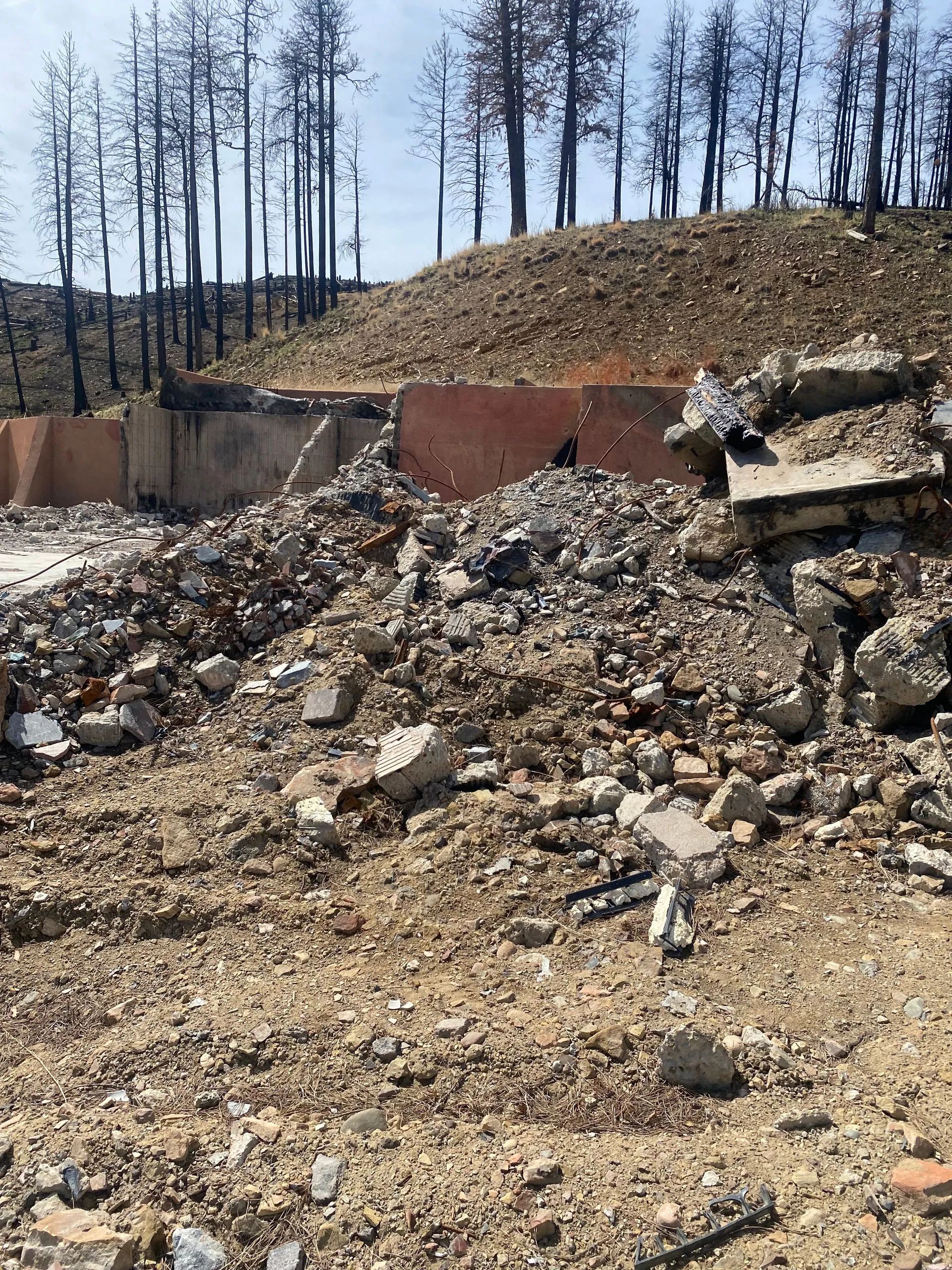
Handling hazardous materials is a critical responsibility that requires expertise, precision, and adherence to strict safety standards. From asbestos and lead paint to chemical spills and biohazard waste, the improper handling of hazardous substances can pose severe risks to human health, the environment, and property. Each material carries its own set of dangers, including long-term health complications, contamination of air and water, and potential legal liabilities. As industries evolve and regulations become more stringent, the need for certified professionals trained in hazardous material removal has never been more pronounced. Ensuring that removal is conducted safely and effectively protects both individuals and communities.
Certification and adherence to safety protocols are essential pillars in the hazardous material removal industry. Professionals equipped with recognized credentials possess the knowledge to assess risks, implement proper containment, and follow best practices during removal and disposal. Beyond compliance, these standards foster trust with clients and regulatory agencies, reinforcing accountability and reliability. Understanding the importance of certification and safety protocols is not just a matter of legal necessity—it is a commitment to public health, environmental stewardship, and the long-term sustainability of property and infrastructure.
Understanding Hazardous Materials and Their Risks
Types of Hazardous Materials
Hazardous materials encompass a wide range of substances, each with unique and potentially dangerous risks. Common categories include:
- Asbestos: Previously used in insulation, roofing, and flooring, asbestos fibers can cause severe lung disease and long-term cancer when inhaled over time.
- Lead: Found in old paint and plumbing systems, lead exposure can result in serious neurological damage, especially in children and vulnerable populations.
- Chemical Waste: Industrial chemicals such as solvents, acids, and pesticides may cause burns, respiratory issues, or extensive environmental contamination if not handled properly.
- Biohazards: Bloodborne pathogens, medical waste, and other biological contaminants pose serious infection risks and require meticulous professional management.
Recognizing the type of hazardous material is critical because each requires highly specialized handling, protective gear, and disposal methods to ensure maximum safety.
Health and Environmental Risks
Exposure to hazardous materials can have immediate and long-term consequences for both humans and the environment. Short-term effects may include skin irritation, nausea, or severe respiratory distress, while long-term exposure can result in chronic illness, irreversible organ damage, or even fatalities. Environmental contamination is another significant concern and can lead to long-lasting damage. Hazardous substances can seep into soil, groundwater, and ecosystems, causing long-term ecological disruption and extremely costly remediation efforts if not managed correctly.
The Importance of Certification
What Certification Entails
Certification in hazardous material removal demonstrates that a professional has undergone rigorous, specialized training and comprehensive testing. Programs typically cover:
- Identification of hazardous substances and their unique dangers
- Risk assessment and emergency response procedures to minimize exposure
- Safe removal, containment, and handling techniques for various materials
- Regulatory compliance and proper disposal methods under local and federal law
Certifications vary by region and material type. For example, asbestos removal requires a specific government-issued licensure, while biohazard waste handling may involve OSHA or CDC-approved specialized training programs.
Advantages of Hiring Certified Professionals
- Expert Knowledge: Certified professionals can accurately assess the risks associated with each hazardous material before any removal begins.
- Regulatory Compliance: Proper certification ensures full adherence to local, state, and federal regulations, reducing liability and avoiding legal complications.
- Safety Assurance: Certified personnel are trained in protective equipment usage, containment procedures, and emergency protocols, effectively safeguarding workers and occupants alike.
Expert Insight
Industry experts consistently emphasize that certification is more than a simple credential—it represents a fundamental commitment to safety and ethical responsibility. Companies that invest in certified professionals not only protect their clients but also enhance their reputation, credibility, and long-term trustworthiness.
Safety Protocols in Hazardous Material Removal
Personal Protective Equipment (PPE)
PPE is a cornerstone of safety in hazardous material removal and critical to minimizing exposure. Depending on the specific material, PPE may include:
- Respirators and specialized masks for respiratory protection
- Protective suits and gloves resistant to chemical or biological hazards
- Eye protection such as goggles or face shields
- Footwear designed to resist chemical exposure and physical hazards
Proper PPE usage significantly reduces the risk of inhalation, ingestion, or direct skin contact with harmful substances during removal procedures.
Containment and Decontamination Procedures
Containment measures are designed to prevent the spread of hazardous materials during removal and protect surrounding areas. Common practices include:
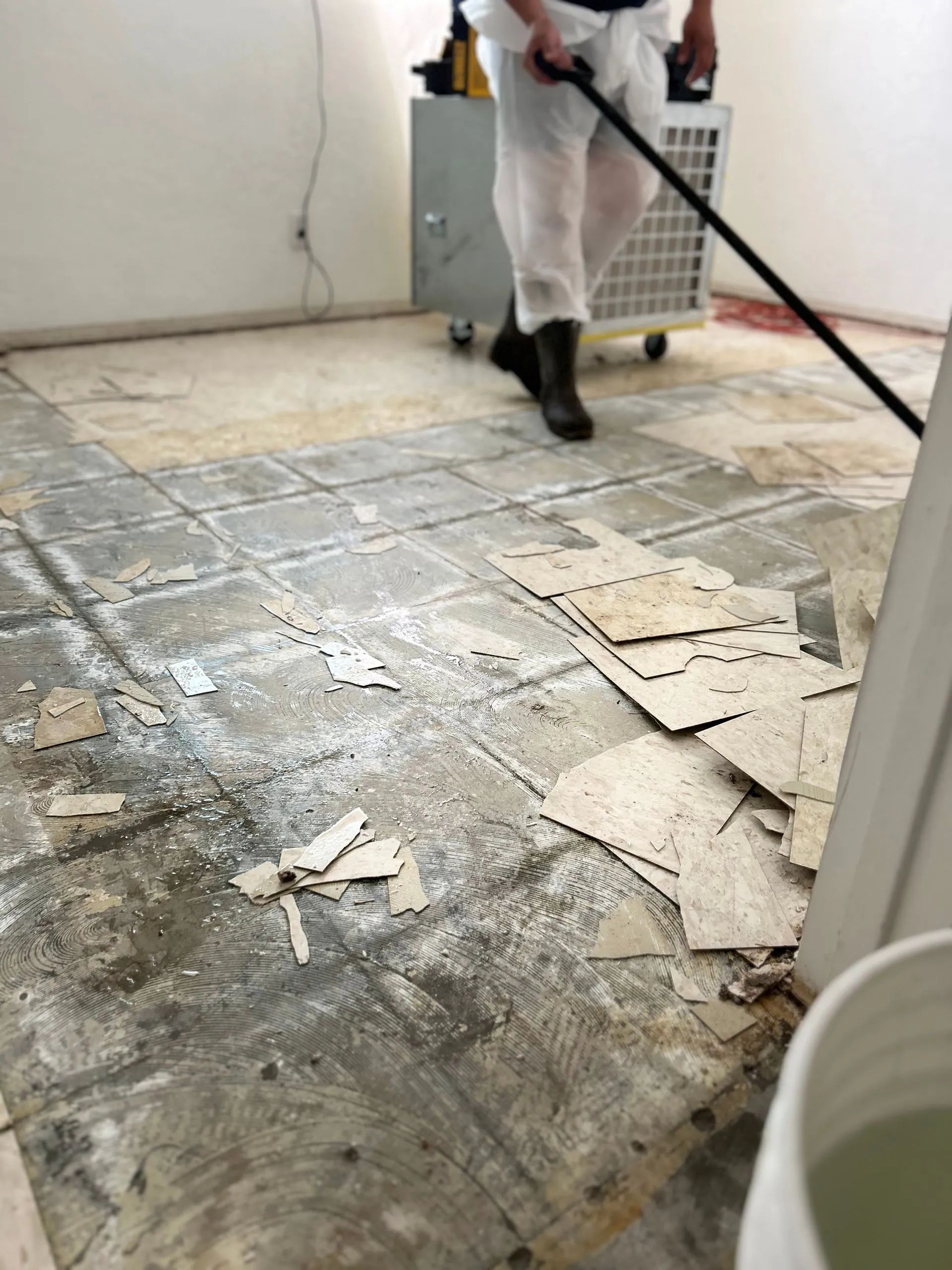
- Sealing off work areas using physical barriers and negative air pressure systems
- Utilizing specialized bags, containers, and transport methods for hazardous waste
- Establishing decontamination stations to clean personnel, tools, and equipment efficiently
Following these procedures ensures that hazardous materials do not escape into surrounding areas, protecting both people and property from contamination.
Emergency Preparedness
Even with careful planning, emergencies can occur unexpectedly during hazardous material removal. Safety protocols require full readiness for spills, accidental exposure, or fires. Emergency plans should include:
- Immediate evacuation procedures to remove personnel safely from danger zones
- Access to first aid, medical care, and emergency treatment
- Communication protocols with emergency responders and relevant authorities
Organizations with robust emergency plans are able to minimize the severity of incidents while maintaining compliance with safety regulations and industry standards.
Regulatory Compliance and Legal Implications
Understanding Industry Regulations
Hazardous material removal is heavily regulated to protect public health, workers, and the environment. Key regulatory bodies and frameworks include:
- Occupational Safety and Health Administration (OSHA): Establishes and enforces workplace safety standards.
- Environmental Protection Agency (EPA): Oversees the safe disposal of hazardous waste and controls environmental contamination.
- State and Local Authorities: Impose additional licensing requirements, operational guidelines, and enforcement procedures.
Compliance with these regulations is mandatory, and failure to adhere can result in substantial fines, legal action, and long-term reputational damage.
Legal and Financial Consequences
Improper handling of hazardous materials can lead to lawsuits, regulatory penalties, and costly cleanup efforts. For example, mishandling lead paint removal in residential buildings has resulted in settlements exceeding millions of dollars. Certified professionals are trained to navigate these legal requirements, significantly mitigating risks for themselves, their clients, and the broader community.
Best Practices for Compliance
- Conduct thorough site assessments and material testing before removal begins
- Maintain detailed documentation of removal processes and disposal procedures
- Ensure all personnel are properly trained and possess current certification
- Stay consistently updated with changes in regulations and evolving industry standards
Following these best practices demonstrates due diligence, reinforces safety commitments, and ensures legal and ethical compliance throughout every project.
Best Practices for Effective Hazardous Material Removal
Pre-Removal Assessment
A comprehensive pre-removal assessment identifies the type, quantity, and exact location of hazardous materials. This step allows professionals to plan appropriately, including selecting the correct containment methods, PPE, and approved disposal routes, ensuring safe and efficient project execution.
Proper Handling and Disposal
Each type of hazardous material requires specific handling and disposal techniques to prevent contamination. For instance:
- Asbestos: Wetting fibers and using HEPA-filtered vacuums effectively prevents airborne contamination.
- Lead Paint: Encapsulation or chemical stripping ensures safe removal without releasing hazardous dust.
- Chemical Waste: Segregating incompatible chemicals prevents reactions, spills, or fires that could create additional hazards.
Disposal procedures must follow federal and state guidelines to prevent environmental contamination and protect public safety.
Continuous Training and Safety Audits
Regular training ensures that personnel stay current with evolving safety protocols and industry best practices. Conducting safety audits of procedures, equipment, and compliance records helps identify potential risks before accidents occur, ensuring ongoing operational safety.
Challenges and Considerations in Hazardous Material Removal
Common Challenges
- Unexpected Materials: Older buildings may contain unidentified hazardous substances, requiring adaptability, expertise, and rapid decision-making.
- Environmental Factors: Weather, ventilation, and proximity to nearby structures can complicate containment and removal efforts.
- Resource Management: Specialized equipment, PPE, and compliant disposal channels can be costly and logistically challenging to maintain.
Overcoming Challenges
- Conduct detailed pre-project site surveys to identify potential hazards and risks
- Develop contingency plans to manage unforeseen circumstances effectively
- Invest in high-quality PPE, tools, and equipment to ensure safety and efficiency
Benefits of Overcoming Challenges
Proper management of these challenges reduces accidents, minimizes liability, and ensures regulatory compliance. Companies that consistently meet these challenges build long-term trust, credibility, and a strong reputation within the industry.
Hazardous material removal is a complex and high-stakes process that demands specialized knowledge, rigorous training, and strict adherence to safety protocols. Certification ensures that professionals are qualified to handle dangerous substances, reducing risks to health, property, and the environment. Following established safety procedures—including the use of PPE, proper containment, and emergency preparedness—further safeguards workers and communities. Regulatory compliance is not merely a legal requirement but a demonstration of professional integrity, protecting organizations from legal and financial consequences while promoting responsible environmental stewardship.
NM Abatement LLC: Trusted Experts in Hazardous Material Removal
With 30
years of experience, NM Abatement LLC, based in Albuquerque, New Mexico, has built a reputation for excellence in
hazardous material removal. Our certified team combines technical expertise with strict adherence to industry safety protocols, ensuring that every project is executed efficiently and responsibly. From asbestos and lead paint removal to chemical and biohazard waste management, we prioritize safety, compliance, and client satisfaction. Choosing us means partnering with a trusted authority committed to protecting health, property, and the environment. Our decades of experience, coupled with rigorous training and industry knowledge, make us the go-to choice for safe, professional, and reliable hazardous material removal services.